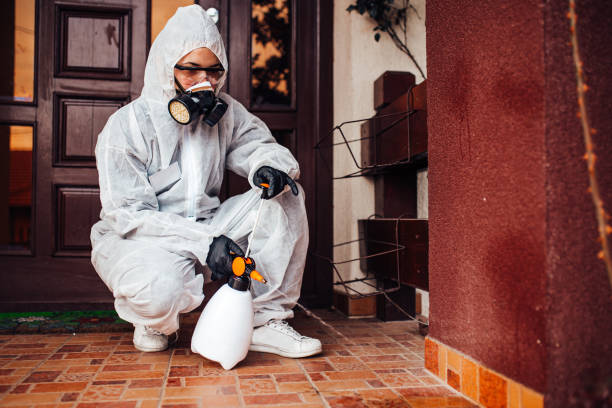
Pest control companies use a variety of chemicals, often referred to as pesticides, to manage and eliminate infestations in residential spaces. These chemicals are specifically chosen for their effectiveness against targeted pests while minimizing risks to humans, pets, and the environment. Understanding what these substances are and how they work can provide homeowners with insights into the pest control process.
Categories of Chemicals Used in Pest Control
- Designed to kill or repel insects such as ants, cockroaches, termites, and flies.
- Pyrethroids (e.g., permethrin): Synthetic compounds modeled after natural pyrethrins found in chrysanthemum flowers. They disrupt the nervous system of insects.
- Neonicotinoids: Highly effective against sucking pests like aphids by attacking their central nervous system.
- Formulated to eliminate rodents such as mice and rats.
- Often include anticoagulants (e.g., bromadiolone) that cause internal bleeding over time after ingestion.
- Target weeds and unwanted vegetation that might harbor pest populations or diseases.
- Used to prevent or eliminate fungal growth that can damage plants or homes.
- Specifically designed to combat bacteria-related infestations.
Commonly Used Chemicals
| Chemical Name | Purpose | Mode of Action | Example Usage |
| Pyrethroids | Insect control | Disrupts insect nervous systems | Ants, cockroaches |
| Boric Acid | Broad-spectrum insecticidal agent | Damages digestive systems of pests | Termites, silverfish |
| Fipronil | Bait stations for insects | Blocks nervous system receptors leading to death | Cockroach baits |
| Bromadiolone | Rodent management | Anticoagulant that causes internal bleeding | Mouse/Rat infestations |
How These Chemicals Work in Your Home
- Pesticides are strategically placed in areas where pests are most active or likely to enter your home (e.g., cracks, crevices). This ensures maximum efficacy while limiting exposure for non-target species such as humans or pets.
- Chemicals like pyrethroids are often sprayed around entry points (windows, doors) forming an invisible barrier against crawling insects.
- Rodenticides may be placed inside sealed bait stations to target rodents without posing significant risks to children or animals.
- Some treatments use slow-acting chemicals (like boric acid), allowing pests to carry the poison back to their colonies before dying—effectively eliminating entire populations.
Safety Measures Taken by Professionals
- Use products approved by organizations like EPA (Environmental Protection Agency).
- Apply chemicals only where necessary based on inspection results and pest activity levels.
- Advise homeowners about precautions during treatments (e.g., staying out of treated areas for a recommended period).
These combined approaches ensure safe yet effective pest management within residential environments. Understanding how these products function empowers homeowners with transparency about professional extermination services while reducing common misconceptions about chemical usage indoors.
Effective Miami Gardens FL Pest Control: Common Chemicals Used by Professionals
Professionally managed pest control services rely on a variety of chemicals to target and eliminate different types of pests. These chemicals are carefully selected based on the pest species, the environment, and the level of infestation to ensure safety and effectiveness. Here’s a detailed look at the most commonly used pest control chemicals and their properties.
1. Insecticides
- Synthetic versions of natural pyrethrins (derived from chrysanthemums).
- Highly effective against a range of insects but pose minimal risks to humans when used correctly.
- Often used as sprays for indoor or outdoor applications.
- Mimic nicotine’s effects on an insect’s nervous system.
- Commonly used for soil treatments or in baits to kill insects like termites.
| Chemical Class | Best For | Application Method | Safety Notes |
| Pyrethroids | Ants, cockroaches, flies | Spray or fogging | Safe when diluted; avoid inhalation |
| Neonicotinoids | Termites, aphids | Soil treatment/bait | Can harm pollinators in high doses |
2. Rodenticides
Rodenticides target rodents like rats and mice by disrupting their physiological processes. They are typically available in bait form with added attractants to increase effectiveness.
- Cause internal bleeding over time after ingestion.
- Effective but require careful placement away from non-target animals such as pets or wildlife.
- Work more quickly than anticoagulants by targeting other biological processes (e.g., calcium metabolism).
Key considerations: – Always place baits in tamper-proof containers. – Monitor usage regularly to prevent secondary poisoning risks for pets or predators consuming affected rodents.
3. Herbicides
Though not traditional “pest” control tools, herbicides help manage weed growth that can harbor pests like ticks or certain insects.
- Selective herbicides are formulated to target specific plant species without harming surrounding vegetation.
- Non-selective herbicides are effective for broad-spectrum weed management but must be applied with precision.
4. Fumigants
Fumigants involve releasing gases into enclosed spaces to eliminate pests such as termites or bed bugs completely. These potent chemicals penetrate deep into cracks and crevices where pests hide.
Common fumigants include: – Phosphine gas – Methyl bromide (restricted use due to environmental concerns)
Proper fumigation requires professional expertise due to its hazardous nature and need for controlled application procedures.

Factors Influencing Chemical Effectiveness
- Proper Identification: Using the correct chemical tailored specifically for the pest type ensures efficient elimination.
- Application Method: Improper application may lead to ineffective results or contamination.
- Environmental Conditions: Temperature, humidity levels, and air circulation influence how well certain chemicals work.
- Pest Resistance: Overuse of certain chemicals can lead pests to develop resistance over time (e.g., bed bugs with pyrethroids). Rotating chemical classes is often advised.
Using professionally approved pest control chemicals ensures targeted results while reducing risks associated with improper handling of pesticides at home.
13 Essential Factors to Consider Before Hiring a Pest Control Company to Exterminate Your Home
When choosing a pest control company for your home, careful thought and consideration are crucial. Not all companies provide the same level of expertise or safety. Below are 13 essential factors to guide you through the decision-making process.
1. Experience and Expertise
- Look for companies with a proven track record in pest control services.
- Ask how long they’ve been in operation and if they specialize in managing specific pest infestations, such as termites, rodents, or bed bugs.
2. Certifications and Licensing
- Verify that the company holds proper certifications and pesticide applicator licenses in compliance with local regulations.
- Licensed professionals ensure safety standards are met during chemical application.
3. Insurance Coverage
- Ensure the company has liability insurance to protect your property during treatments.
- Workers’ compensation coverage is also important in case of any accidents involving technicians on your property.
4. Range of Services Offered
- Assess whether the company offers both extermination services and preventative solutions.
- Some companies may also offer eco-friendly options or integrated pest management (IPM) strategies.
5. Chemical Safety
- Ask what chemicals will be used and how safe they are for children, pets, and the environment.
- Request Safety Data Sheets (SDS) for any products applied inside your home.
| Chemical Type | Primary Target | Safety Considerations | Alternative Options |
| Pyrethroids | Mosquitoes, ants | Low toxicity to humans; toxic to fish | Plant-based repellents |
| Boric acid | Cockroaches | Safe when used appropriately | Mechanical barriers |
| Fipronil | Termites | Toxic if ingested; avoid contact with pets | Heat treatments |
6. Reputation and Reviews
- Research online reviews from previous customers on platforms like Google or Yelp.
- Word-of-mouth referrals from friends or family can also provide reliable insights into a company’s reputation.
7. Customized Plans
Avoid one-size-fits-all approaches by selecting a pest control provider that tailors solutions based on your specific infestation problem and property’s needs.
8. Pricing Transparency
Ask for detailed quotes upfront, including potential follow-up visits or additional treatments required for complete extermination. Avoid companies that don’t provide clear pricing structures.
9. Guarantees or Warranties
Some companies offer satisfaction guarantees or warranties on their services; these can give you peace of mind that problems will be resolved efficiently without extra charges later.
10. Environmental Responsibility
If sustainability is important, choose a company offering eco-friendly treatments such as botanical pesticides or biological controls over traditional synthetic chemicals.
11. Response Time and Availability
Pest infestations can escalate quickly if left untreated—ask about their scheduling flexibility and how soon they can respond after contacting them.
12. Follow-Up Services
Effective extermination often requires ongoing maintenance plans or periodic inspections to prevent future infestations—this service should ideally be included in their offerings.
13. Compliance with Laws & Regulations:
Ensure the company adheres to federal guidelines set forth by organizations like the Environmental Protection Agency (EPA) when handling pesticides while avoiding banned substances prohibited under local laws.
By thoroughly evaluating these factors before hiring an extermination service, you ensure effective results while safeguarding your family’s health, home integrity, and environmental impact from improper practices.
How Pest Infestations Happen and What You Can Do to Prevent Them
Pest infestations can be a significant nuisance, causing structural damage, spreading diseases, and creating unhygienic environments. Understanding how these infestations occur and taking preventative measures can save property owners both time and money. Below, we explore the common ways pests invade homes or properties and provide actionable tips to prevent them.
Common Ways Pest Infestations Happen
- Entry Points
Pests often gain access to your home through cracks, crevices, vents, or improperly sealed doors and windows. Rodents like mice and rats can squeeze through openings as small as a dime. - Food Sources
Leaving uncovered food or improperly sealed garbage attracts pests such as ants, cockroaches, and flies. Even small crumbs on countertops or floors act as an invitation for infestation. - Moisture Issues
Leaky pipes, clogged gutters, or standing water create ideal conditions for pests like mosquitoes, termites, and silverfish to thrive. - Cluttered Environments
Piles of cardboard boxes, newspapers, or unused items in basements or garages provide perfect nesting spots for spiders, rodents, and other pests. - Transport from Outside
Pests can hitch a ride into your home via luggage after traveling or on second-hand furniture/clothing that hasn’t been inspected properly. - Seasonal Factors
Certain times of the year increase pest activity due to weather changes. For example: - In spring: Increased rodent activity due to breeding cycles.
- In summer: Mosquitoes thrive in warm environments with standing water.
- In fall/winter: Rodents seek warmth indoors during colder months.
Practical Steps to Prevent Pest Infestations
- Seal Entry Points:
Regularly inspect your home’s exterior for gaps around doors/windows, cracks in foundations, or damaged screens. Use caulk or steel wool to seal these entry points effectively. - Proper Food Storage:
Store dry goods like cereals or grains in airtight containers instead of their original packaging. Ensure garbage cans are closed tightly with lids at all times. - Eliminate Standing Water:
Check for leaks under sinks and fix dripping faucets promptly. Empty outdoor items like flower pots that might collect rainwater where mosquitoes could breed. - Declutter Your Home:
Keep storage areas tidy by discarding old magazines/newspapers you no longer need while organizing seasonal decorations into pest-proof plastic bins instead of cardboard boxes. - Maintain Landscaping:
Trim back bushes/trees so they don’t touch the structure of your home; this reduces pathways for pests such as ants or squirrels entering roofs/eaves directly from branches nearby.

Table: Seasonal Pest Prevention Quick Guide
| Season | Common Pests | Key Prevention Tips |
| Spring | Rodents; Ants | Seal cracks; clean kitchens; fix foundation gaps |
| Summer | Mosquitoes; Flies | Eliminate standing water; maintain window screens |
| Fall | Spiders; Stink Bugs | Declutter basements/garages; use weather stripping |
| Winter | Mice; Rats | Install door sweeps; insulate attics appropriately |
Additional Long-Term Strategies
- Schedule regular inspections with a certified pest control professional.
- Use natural repellents such as peppermint oil (for rodents) or diatomaceous earth (for crawling insects).
- Maintain clean gutters/downspouts to prevent moisture buildup near your home’s foundation.
- Educate household members about proper sanitation practices—particularly in kitchens/bathrooms where infestations often originate.
By addressing potential causes proactively using the strategies outlined above while staying vigilant about early signs (e.g., droppings/noises), you’ll significantly reduce risks associated with unwanted invasions indoors over time without relying solely upon reactive extermination services later down the line.
Spring Rodent Prevention Tips for Protecting Stored Vehicles, Cabins, and Sheds
Spring is a critical season for rodent activity as these pests emerge from their winter shelters in search of food, water, and nesting sites. Stored vehicles, cabins, and sheds are often prime targets because they provide shelter and easy access to nesting materials. To protect your property effectively, consider these practical prevention tips.
1. Inspect and Seal Entry Points
Rodents can squeeze through small openings as tiny as ¼ inch wide. Conduct a thorough inspection of your vehicles, cabins, and sheds for potential entry points.
- Gaps around doors and windows
- Cracks in the foundation or walls
- Open vents or damaged screens
- Use steel wool or silicone-based caulk to seal gaps.
- Install weather stripping around doors.
2. Keep the Area Clean and Clutter-Free
Rodents are attracted to cluttered spaces that provide hiding spots and nesting materials.
- For stored vehicles: Remove any trash or items left inside such as food wrappers or paper products that could serve as nesting material. Vacuum interiors thoroughly before storage.
- For sheds: Store items in plastic containers with tight-fitting lids instead of cardboard boxes which rodents can chew through easily.
- For cabins: Ensure all surfaces are clean of crumbs or food residue when locking up for extended periods.
3. Use Rodent Deterrents Strategically
| Type | Examples | Usage Tips |
| Natural deterrents | Peppermint oil, cayenne pepper | Soak cotton balls with peppermint oil; place them near potential entry points. |
| Ultrasonic devices | Plug-in ultrasonic repellents | Place these devices in sheds or garages to emit high-frequency sounds. |
| Physical barriers | Mesh screens or wire mesh | Cover vents or drain spouts with fine wire mesh. |
4. Protect Stored Vehicles Effectively
- Place mothballs or dryer sheets under the hood (but replace regularly).
- Consider rodent-repellent tape designed for wiring insulation.
- Start your vehicle periodically during storage months to discourage long-term infestation.
5. Use Traps Where Necessary
- Snap traps are effective for immediate control.
- Live traps allow you to relocate rodents humanely.
- Glue boards should be avoided unless absolutely necessary due to ethical concerns.
Ensure all traps are checked frequently to prevent prolonged suffering of trapped rodents.
Final Steps Before Spring Storage
Before closing up your cabin or shed—or leaving a vehicle stored long-term—take these final precautions: 1. Remove perishable foods completely from the property. 2. Drain water sources if possible (e.g., empty buckets). 3. Install motion-sensor lighting outside structures; bright lights deter nocturnal pests. 4. Consider consulting professional pest control services if infestations persist despite preventive measures.
By following these steps diligently, you’ll reduce the likelihood of rodent infestations while protecting your property from costly damage caused by pests during springtime transitions.
Understanding Real-Life Examples of Successful Pest Extermination Strategies
When it comes to pest control, real-world examples provide valuable insights into how professionals tackle complicated infestations. These success stories highlight effective strategies, tools, and approaches that work in various situations. Below are examples of proven pest extermination strategies used in real scenarios, demonstrating the importance of expertise and strategic planning.
Case Study 1: Eliminating a Severe Bed Bug Infestation in a Multi-Family Apartment Building
Overview:
A property manager discovered a widespread bed bug infestation in a multi-family apartment complex. The infestation had spread across multiple units due to shared walls and furniture movement between tenants.
Steps Taken:
1. Inspection and Identification:
– A licensed exterminator conducted a thorough visual inspection of all affected units.
– Canine detection was employed to identify hidden bed bug colonies.
- Residents were educated on preparatory steps, such as decluttering and laundering bedding at high heat.
- A combination of heat treatment (raising room temperatures above 120°F) and chemical sprays with residual effects was applied.
- Two additional treatments over the following month ensured complete eradication across all units.
Outcome:
The infestation was fully resolved within six weeks, preventing further spread and restoring tenant satisfaction.
Case Study 2: Controlling a Rodent Infestation in a Commercial Warehouse
Overview:
A food storage facility faced persistent rodent issues that threatened product safety and violated health regulations.
Steps Taken:
1. Site Assessment:
– The extermination team identified entry points, nesting areas, and sources of food attracting the rodents using infrared cameras and traps for monitoring activity levels.
- All entry points were sealed with durable materials like steel mesh.
- Storage racks were reorganized to reduce clutter and remove hiding spots.
- Tamper-resistant bait stations containing anticoagulant rodenticides were deployed strategically throughout the warehouse.
- Non-toxic monitoring blocks were alternated to track activity without risking contamination during active operations.
- Employees were trained on maintaining cleanliness around food storage areas.
- Weekly inspections by pest control professionals ensured compliance with sanitation protocols.
Outcome:
Rodent sightings diminished significantly within two weeks, with complete eradication by the third month.
Table: Comparison of Strategies Used in Different Cases
| Strategy | Bed Bug Infestation | Rodent Infestation |
| Inspection Tools | Visual + Canine Detection | Infrared Cameras + Traps |
| Primary Control Method | Heat Treatment + Chemicals | Baiting Programs |
| Preventative Measures | Resident Education | Sealing Entry Points + Sanitation |
Lessons Learned from Successful Extermination Efforts
- Tailored Solutions for Specific Pests: Each pest species has distinct behaviors requiring unique treatment plans.
- Integrated Approaches Over Single Methods: Combining techniques like chemical treatments with environmental adjustments ensures long-term success.
- Regular Monitoring and Follow-Ups: Routine inspections help detect any recurring issues early.
- Collaboration Between Professionals & Clients: Educating property owners or tenants on preventative steps is key for sustaining results over time.
These strategies emphasize the importance of professional expertise while also showcasing preventative practices everyone can adopt to maintain pest-free environments efficiently.
- Understanding the Role of an Exterminator Miami Gardens FL and Its Importance for Your Home and Health
- Understanding What a Pest Control Company Miami Gardens FL Uses to Keep Your Home Safe
- Essential Benefits of Miami Gardens FL Pest Control and Regular Inspections
- Why Homeowners in Miami Gardens FL Should Invest in Professional Pest Control Services
- The Importance of Hiring a Pest Control Company Miami Gardens FL for a Healthy Environment
- Comprehensive Miami Gardens FL pest control Inspection Process Explained by Experts
- The Importance of Miami Gardens FL Pest Control for Protecting Your Home and Family
- Why You Need an Exterminator Miami Gardens FL for Professional Pest Control Services