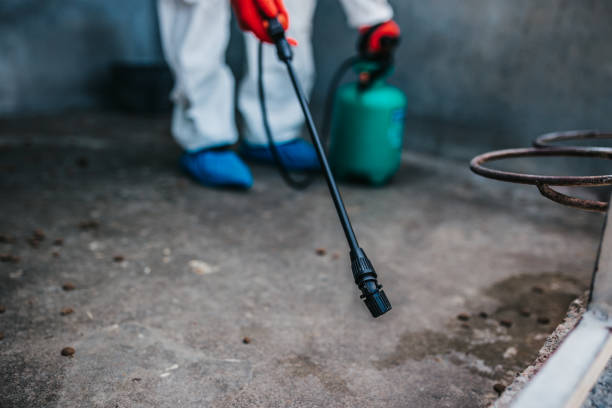
When facing a pest problem, the first critical step taken by professional exterminators is a thorough inspection. This process goes beyond simply identifying visible pests; it involves detailed assessments to uncover hidden infestations and potential vulnerabilities. Understanding this process helps property owners appreciate its importance in effective pest management.
Key Steps in the Inspection Process
- Initial Consultation
Professional exterminators begin by discussing your concerns and observations. Questions may include: - What types of pests have you noticed?
- When did the problem start?
- Are there areas of your home or property where pests are commonly seen?
- Interior Inspection
Inside the property, exterminators inspect areas where pests are likely to hide or breed, including: - Kitchens and pantries (sources of food)
- Bathrooms (moisture-prone areas)
- Basements, attics, and crawlspaces (dark and quiet spaces)
- Exterior Assessment
The outside of your property can reveal important clues about how pests are entering and thriving. Areas examined may include: - Foundation cracks or gaps around windows and doors
- Garbage disposal areas or cluttered spaces near walls
- Landscaping features like overgrown shrubs or standing water
- Identification of Pest Species
Accurate identification is critical because different species require specific treatment methods. Professionals use tools like flashlights, magnifying glasses, or even pheromone traps to confirm pest activity.
Tools and Technology Used in Inspections
| Tool/Technology | Purpose |
| Moisture Meters | Detect moisture levels that attract pests such as termites |
| Thermal Imaging Cameras | Identify temperature differences caused by nests or infestations |
| Borescopes | Inspect hard-to-reach areas within walls or tight spaces |
Benefits of a Comprehensive Inspection
- Tailored Treatment Plans: Inspections allow exterminators to develop customized solutions based on pest type, infestation severity, and environmental factors.
- Early Detection: Identifying problems early can prevent minor issues from escalating into major infestations.
- Prevention Strategies: Beyond addressing current pest issues, inspections help pinpoint structural vulnerabilities that could lead to future infestations.
Common Challenges During Inspections
- Cluttered environments that make it difficult to locate hidden pests.
- Seasonal variations in pest behavior – some species remain dormant during cooler months.
- Resistance from homeowners who may underestimate the seriousness of an infestation.
By focusing on these steps during their inspections, professional exterminators ensure they not only tackle existing problems but also provide long-term solutions tailored to your unique circumstances.
Identifying When to Call a Pest Control Company Miami Gardens FL for Immediate Help
Pests can invade homes or businesses silently, often causing damage or posing health risks before their presence is realized. Recognizing the early signs of an infestation is crucial to minimizing harm and addressing the problem effectively. Below, we explore the most common indicators that signal the urgent need for professional extermination services.
Physical Evidence of Pests
- Droppings: Rodent droppings (small pellet-like feces), cockroach droppings (coffee-ground appearance), or termite frass (wood-colored pellets) are key indicators.
- Gnaw Marks: Rats and mice often chew on wood, wires, insulation, or plastic to maintain their teeth.
- Shed Skins or Wings: Insects such as bed bugs and cockroaches shed their skins during growth, while termites may leave discarded wings near windows or doorways.
- Grease Trails: Rodents tend to leave oily smudges along walls and baseboards where they travel.
Structural Damage
| Pest Type | Common Structural Damage |
| Termites | Hollow-sounding wood, maze-like patterns |
| Rodents | Chewed electrical wires and insulation |
| Carpenter Ants | Holes in wood furniture or beams |
| Silverfish | Holes in paper products like books |
If you notice these types of damage, immediate action is vital to prevent further deterioration.
Strange Noises
- Scratching or scurrying sounds (rodents)
- Buzzing from flying insects
- Tapping noises caused by termites tunneling inside walls
Unusual Odors
- A musty smell may point toward a heavy cockroach infestation.
- The ammonia-like scent from rodent urine is another red flag.
- Dead pests trapped in walls can produce foul odors.
If you detect any persistent and unusual smells without explanation, it may be time to contact an exterminator.
Pest Sightings During Daylight Hours
Many pests, including rodents and cockroaches, are nocturnal creatures. Spotting them during daylight could indicate an advanced infestation where hiding places have become overcrowded.
Unexplained Health Issues
- Allergy flare-ups caused by pest droppings or insect body parts.
- Respiratory issues linked to rodent dander or cockroach allergens.
- Skin irritations from bites (e.g., bed bugs).
Visible Nests or Hiding Spots
- Rodents build nests using shredded materials like paper or fabric in secluded areas.
- Wasps construct nests under eaves, in attics, or on trees near your home.
- Ant colonies may form mounds outside your property near foundations.
Knowing these warning signs allows you to act promptly before the infestation worsens. When these indicators appear in your home or business premises, it’s essential to hire a licensed exterminator who can accurately assess the situation and provide effective solutions tailored to your needs. Ignoring these warnings could lead to bigger problems over time—both structurally and financially—making early intervention vital for long-term peace of mind.
Identifying When to Call an Exterminator Miami Gardens FL for Immediate Pest Control
Pest infestations can often go unnoticed until they escalate into significant problems. Identifying the warning signs early can save homeowners and businesses from costly damage and health risks. Below are some of the most common indicators that professional extermination services may be required.
1. Physical Evidence of Pests
One of the most apparent signs of a pest problem is discovering physical traces left by pests. These include:
– Droppings: Rodents, cockroaches, and other pests leave behind feces that can vary in size, shape, and texture depending on the species.
– Shed Skin or Body Parts: Insects like bed bugs and cockroaches molt as they grow, leaving behind skin casings or exoskeletons. – Gnaw Marks: Rodents often chew through wood, wires, or even food packaging materials to create nests or access food sources. – Nests: Rats, mice, and wasps build nests in hidden areas like attics, crawl spaces, or inside walls.
2. Unusual Sounds During Quiet Hours
Pests are often most active when it’s quiet at night. Common sounds to listen for include:
– Scratching noises in walls or ceilings (possibly caused by rodents).
– Buzzing sounds near light fixtures or windows (signaling flying insects).
– Rustling noises in stored items like cardboard boxes (indicating possible insect activity).
3. Strange Odors
Some infestations produce distinctive smells that indicate a pest presence:
| Pest Type | Odor Description |
|——————-|——————————————–|
| Rodents | Musty ammonia-like smell |
| Cockroaches | Oily or greasy odor |
| Dead pests | Foul decomposition smell |
Persistent odors without an obvious cause should prompt further investigation.
4. Damage to Structures and Belongings
Structural damage is a clear indication of infestation. Look for:
– Chewed wires (often caused by rodents), potentially creating fire hazards. – Holes in wood structures such as furniture or beams (a sign of termites). – Torn fabric on upholstery or clothing (indicative of moths).
Food contamination is another red flag; pests such as ants or rodents may chew through packaging to access pantry items.
5. Increased Pest Sightings
While spotting a single pest might not always signal an infestation, frequent sightings—especially during daylight hours—can indicate a larger problem: – Multiple insects crawling around windowsills or countertops. – Rodents scurrying across floors. – Swarms of flying insects inside your home.
Why Prompt Action is Essential
Recognizing these signs early allows you to act before a minor issue becomes a full-blown infestation:
1. Prevent structural damage caused by destructive pests like termites or carpenter ants. 2. Reduce health risks posed by disease-carrying pests such as rodents and cockroaches. 3. Avoid financial losses related to food contamination and repairs.
If you notice any combination of these signs, contacting a licensed exterminator promptly is essential for safeguarding your property and well-being from further pest damage risks.

Effective Miami Gardens Pest Removal Techniques Used by Modern Exterminators
Modern exterminators utilize a variety of pest control techniques tailored to the type of pest, the severity of the infestation, and environmental considerations. These methods are designed not only for effectiveness but also for safety and sustainability. By leveraging advancements in science and technology, professional exterminators ensure long-term results while minimizing risks to human health and the environment.
Integrated Pest Management (IPM)
- Identification: Accurately identifying pests to determine appropriate treatment methods.
- Prevention: Removing factors that attract pests such as food sources, water access, or shelter.
- Monitoring: Regular inspections to detect early signs of infestations.
- Control Methods: Using a combination of physical barriers, biological controls (e.g., natural predators), and selective chemical treatments only when necessary.
IPM minimizes environmental impacts while providing optimal pest management solutions.
Chemical Treatments
- Targeted Application: Only affected areas are treated rather than blanket spraying.
- Low-Toxicity Products: Use of eco-friendly or low-toxicity chemicals reduces harm to non-target species.
- Baiting Systems: Instead of sprays, bait traps are often used for pests like ants or cockroaches for precision targeting.
Proper handling and adherence to regulations ensure these methods are safe for households and workplaces.
Biological Control
| Pest Type | Biological Control Method |
| Aphids | Ladybugs as natural predators |
| Mosquitoes | Bacteria like Bacillus thuringiensis israelensis (Bti) |
| Termites | Beneficial nematodes |
This environmentally friendly method helps reduce pesticide use while maintaining ecological balance.
Physical Methods
- Traps: Mechanical traps are commonly used for rodents or larger pests.
- Barriers: Sealing entry points prevents pests from invading properties.
- Heat Treatment: High temperatures can eliminate pests like bed bugs without chemicals.
These methods offer immediate results and are particularly effective when combined with other strategies.
Technological Innovations in Pest Control
- Thermal Imaging Cameras: Used to detect hidden nests or termite activity within walls.
- Electronic Monitoring Systems: Sensors that track pest movement in real-time.
- Drone Surveillance: For identifying large-scale infestations over expansive agricultural areas.
These tools improve accuracy in detection and treatment application, making pest control more efficient than ever before.
Safe Practices Followed by Professionals
- Wearing personal protective equipment (PPE) during chemical applications.
- Providing instructions on re-entry times after pesticide use.
- Ensuring proper disposal of hazardous materials post-treatment.
By combining science-based approaches with safe practices, modern exterminators deliver comprehensive pest control solutions designed for both effectiveness and peace of mind.
Effective Pest Control Service Miami Gardens FL: How Experts Safely Handle Severe Infestations
Severe pest infestations can pose significant risks to both health and property, making it essential to rely on professional exterminators who are trained to manage these situations safely and effectively. Proper handling requires a combination of expertise, advanced tools, and adherence to strict safety protocols. Here’s how exterminators address severe infestations while minimizing risks.
Initial Assessment and Inspection
- Identifying the pest species involved (e.g., termites, rodents, bed bugs).
- Pinpointing entry points such as cracks, gaps, or unsealed vents.
- Assessing the level of infestation through evidence like droppings, nests, or damage.
- Evaluating environmental factors contributing to pest activity.
This step ensures that the treatment plan is customized for maximum effectiveness.
Developing a Targeted Treatment Plan
- Infestation Severity: Determining whether localized treatments or whole-property approaches are necessary.
- Pest Biology: Leveraging knowledge of pests’ life cycles and habits for efficient eradication.
- Safety Concerns: Prioritizing eco-friendly methods when possible or ensuring minimal impact on non-target species.
A detailed explanation of this plan is usually shared with homeowners or business owners before implementation.
Using Advanced Tools and Techniques
- Chemical Treatments: Use of registered pesticides applied strategically in affected areas.
- Heat Treatments: Effective for pests like bed bugs by exposing them to lethal temperatures in infested spaces.
- Traps: Placement of baited traps designed for specific pests such as rodents or cockroaches.
- Fumigation: In cases involving severe infestations (e.g., termites), fumigation may be employed to ensure complete eradication across an entire structure.
Many companies now prioritize Integrated Pest Management (IPM) practices that emphasize long-term prevention over repeated chemical applications.
Ensuring Safety During Treatment
- Providing clear instructions about preparation requirements (e.g., vacating premises during fumigation).
- Wearing personal protective equipment (PPE) such as gloves, masks, or full-body suits when handling chemicals.
- Monitoring treated areas for adverse reactions in non-target organisms after application.
Post-Treatment Follow-Up
- Complete elimination of remaining pests.
- Repairs or recommendations for sealing entry points.
- Advice on changes to hygiene practices or landscaping that could prevent future issues.
Some providers also offer warranties or ongoing maintenance plans for added peace of mind.
| Service Stage | Key Actions Taken |
| Inspection | Identify pest type; assess infestation severity; locate problem areas |
| Treatment Planning | Develop tailored strategies; choose appropriate tools/chemicals |
| Execution | Apply treatments safely; monitor immediate results |
| Follow-Up | Ensure efficacy; provide preventive recommendations |
By combining expertise with advanced methodologies, professional exterminators tackle severe infestations comprehensively while prioritizing health and safety guidelines at every step. Their approach not only resolves current issues but also creates a foundation for long-term pest prevention strategies.
Top Questions to Ask When Choosing the Right Extermination Service for Your Home or Business
1. Are You Licensed and Insured?
It’s important to verify that the exterminator holds the necessary licenses and certifications required by your state or region. Licensing ensures that they meet industry standards and have proper training in pest control techniques.
- State-issued pest control license
- Liability insurance coverage
- Certifications for handling specific pesticides or treatments
2. What Type of Pests Do You Specialize In?
Different pest control companies may specialize in specific types of infestations. For example, some exterminators focus on termites, while others deal with rodents, bed bugs, or general household pests.
- Specialists often have more effective tools and strategies for a particular pest problem.
- Tailored treatments are typically more efficient than generic approaches.
3. What Methods of Pest Control Do You Use?
Understanding their methods will help you determine whether they prioritize eco-friendly solutions, use harmful chemicals, or rely on integrated approaches like Integrated Pest Management (IPM).
- Chemical-based treatments vs. non-toxic options
- Preventative measures to avoid reoccurrence
- Traps, baits, and exclusion techniques
| Method Type | Pros | Cons | Suitable For |
| Chemical Treatment | Quick results | Potential environmental impact | Severe infestations |
| Eco-Friendly Options | Safer for humans/pets | May take longer to work | Light-to-moderate pests |
| Physical Barriers | Prevents future entry | Labor-intensive installation | Structural issues |
4. How Do You Ensure Safety During Treatment?
Pest control treatments can involve exposure to chemicals that could harm humans, pets, or plants if not handled properly.
- Ask about precautions taken during application.
- Request information on re-entry times after treatment completion.
5. Can You Provide References or Testimonials?
A reputable exterminator should be able to provide references from past clients who were satisfied with their services.
- Did they resolve your pest issue effectively?
- Were there any hidden costs?
- How professional was the team?
6. What Is Your Pricing Structure and Guarantee Policy?
Transparent pricing ensures there are no surprises when it comes time to pay. Additionally, a service guarantee reflects confidence in their work.
- Are inspections included in upfront costs?
- Is there a warranty for follow-up treatment if pests return within a specified period?
Final Thoughts on Vetting Exterminators
By asking these essential questions, you can assess professionalism, expertise, and compatibility with your needs before hiring an exterminator for your home or business premises. A thorough evaluation process ensures both effective pest management outcomes and peace of mind throughout the process.

The Role of an Exterminator in Protecting Your Property from Pests Year-Round
Effective pest control is not merely about eliminating visible infestations; it involves proactive measures to prevent pests from invading your property throughout the year. Professional exterminators play a crucial role in safeguarding homes and businesses from potential damage caused by pests. Here, we explore how exterminators provide year-round protection for your property.
Regular Inspections and Monitoring
- Identifying pest entry points: Small cracks, crevices, and poorly sealed doors or windows are common entry points.
- Assessing environmental factors: Issues like moisture buildup, overgrown vegetation, or improper food storage can attract pests.
- Monitoring high-risk areas: Kitchens, basements, and attics are frequently checked for pest presence.
Scheduling regular inspections allows exterminators to detect problems early before they escalate into costly infestations.
Seasonal Pest Control Strategies
| Season | Common Pests | Extermination Tactics |
| Spring | Ants, termites | Baiting systems, termite barriers |
| Summer | Mosquitoes, wasps | Insecticide sprays, habitat modification |
| Fall | Rodents | Sealing entry points, rodent traps |
| Winter | Spiders, cockroaches | Crack sealing, eco-friendly sprays |
By adjusting treatments seasonally, exterminators ensure that your property remains protected against the specific challenges each time of year presents.
Preventive Treatments
- Applying perimeter barriers around the property to deter pests.
- Treating soil surrounding the foundation to prevent termite activity.
- Using safe repellents in vulnerable areas such as basements and crawl spaces.
Preventive treatments reduce the likelihood of recurring infestations by creating an inhospitable environment for pests.
Protecting Health and Property
- Health Risks Prevention: Rodents carry diseases like hantavirus while cockroaches can trigger asthma or allergies. Exterminators use targeted methods that minimize harm while eliminating threats.
- Structural Integrity Maintenance: Wood-damaging pests such as termites or carpenter ants compromise structures over time. Timely intervention prevents costly repairs.
- Food Safety Assurance: In commercial settings such as restaurants or warehouses, professional pest management ensures compliance with food safety standards by controlling contaminating pests like rodents and flies.
Education for Long-Term Pest Management
- Store food in airtight containers.
- Regularly clean areas prone to crumbs or spills.
- Repair leaks promptly to eliminate excessive moisture.
This partnership between clients and experts ensures a cohesive approach toward long-term pest control success.
Year-round protection requires expertise that goes beyond DIY methods. By relying on skilled professionals equipped with knowledge about seasonal patterns and effective techniques, you can maintain a healthy living or working environment free from unwelcome intruders all year long.
Comparing DIY Pest Control Methods with the Expertise of a Professional Exterminator
When dealing with pest problems, many property owners find themselves deciding between tackling the issue on their own or hiring a professional exterminator. While DIY pest control methods can seem cost-effective and convenient, they often come with limitations that may lead to recurring infestations or even greater damage. Below, we compare the advantages and disadvantages of DIY pest control versus seeking professional extermination services.
DIY Pest Control: Pros and Cons
Advantages of DIY Pest Control:
– Cost Savings: Most over-the-counter pest control products are less expensive than hiring a professional service.
– Convenience: These products are readily available at local stores, allowing for immediate use without scheduling appointments.
– Control Over Chemicals Used: Many people prefer selecting their own pesticides or opting for natural remedies to suit personal preferences.
Disadvantages of DIY Pest Control:
– Limited Expertise: Without proper knowledge, it’s easy to misidentify pests or overlook underlying issues contributing to an infestation.
– Short-Term Results: Many over-the-counter solutions focus on surface-level treatment rather than addressing the root cause.
– Health and Safety Risks: Improper handling of chemical treatments can pose risks to humans, pets, and the environment.
– Lack of Preventative Measures: Home remedies often do little to prevent future infestations from occurring.
The Expertise of a Professional Exterminator
Key Benefits of Hiring a Professional Exterminator:
1. Accurate Identification of Pests: Professionals can quickly identify the type of pests present in your property as well as assess the severity of the infestation, tailoring treatments accordingly. 2. Access to Specialized Tools and Techniques: Licensed exterminators use industry-grade equipment and advanced techniques that provide long-lasting results. 3. Customized Treatment Plans: They design solutions based on your specific situation, ensuring targeted treatment with minimal disruption. 4. Safety Standards Compliance: Professionals adhere to strict safety guidelines when applying chemical treatments, reducing risks for residents or employees. 5. Preventative Strategies: Beyond immediate eradication, exterminators implement measures to ensure pests don’t return.
A Comparison Table
| Feature | DIY Pest Control | Professional Extermination Services |
| Cost | Lower initial cost | Higher upfront cost |
| Effectiveness | May provide short-term relief | Delivers long-term results |
| Knowledge Required | Requires self-learning | Backed by years of training |
| Handling Severe Infestations | Limited effectiveness | Equipped for large-scale infestations |
| Risk Management | Higher risk due to improper handling | Low risk due to safety compliance |
When Should You Choose Professional Services?
While minor infestations might be manageable through DIY methods, certain scenarios warrant professional help:
– Presence of dangerous pests like termites, bed bugs, or rodents that require specialized techniques for removal. – Recurring infestations despite previous efforts. – Health concerns arising from aggressive pests or excessive pesticide use during DIY attempts. – Large-scale infestations spreading across multiple areas in your home or business.
By comparing these two options carefully based on factors like effectiveness, safety standards, and long-term prevention strategies, property owners can make informed decisions when addressing their pest control needs efficiently.
- Understanding the Role of an Exterminator Miami Gardens FL and Its Importance for Your Home and Health
- Understanding What a Pest Control Company Miami Gardens FL Uses to Keep Your Home Safe
- Essential Benefits of Miami Gardens FL Pest Control and Regular Inspections
- Why Homeowners in Miami Gardens FL Should Invest in Professional Pest Control Services
- The Importance of Hiring a Pest Control Company Miami Gardens FL for a Healthy Environment
- Comprehensive Miami Gardens FL pest control Inspection Process Explained by Experts
- The Importance of Miami Gardens FL Pest Control for Protecting Your Home and Family
- Why You Need an Exterminator Miami Gardens FL for Professional Pest Control Services