
Regular pest inspections are a proactive approach to protecting your property, health, and financial well-being. Many property owners overlook the importance of consistent pest monitoring until an infestation becomes unmanageable. However, routine inspections can help identify potential problems early, mitigate costly damages, and ensure a safer living or working environment.
Early Detection of Pest Issues
- Structural damage caused by termites can be identified before it escalates into costly repairs.
- Rodent infestations (which can lead to contamination and disease) can be managed before they spread.
- Signs of smaller pests like ants or bed bugs can be spotted before they multiply.
By identifying pests at an early stage, exterminators can implement targeted solutions that reduce the need for large-scale treatments.
Protecting Your Health
Pests are not just a nuisance; they often carry harmful bacteria and diseases that put your family or employees’ health at risk. Regular inspections prevent exposure to potential hazards such as:
– Allergens from cockroach droppings or rodent dander.
– Salmonella or E. coli from contaminated food caused by pests. – Diseases such as Hantavirus (from rodents) or Lyme disease (from ticks).
Routine pest control measures ensure that these risks are minimized.
Cost Savings in the Long Run
| Scenario | Costs Without Inspections | Costs With Regular Inspections |
| Termite Damage | $3,000 – $8,000 (repair costs) | ~$200 annually for inspection |
| Rodent Control | $500 – $1,200 per infestation | ~$150 annually for inspection |
| Bed Bug Infestation | $1,000+ treatment costs | Minimal with preventative measures |
By investing in regular pest checks now, you’ll avoid larger expenses down the line.
Preserving Property Value
For homeowners looking to sell their property—or businesses aiming to maintain their reputation—regular pest inspections play an important role in maintaining property value. A home free from termite damage or other infestations is far more attractive to buyers than one requiring repairs.
Likewise, commercial properties with visible signs of pests risk damaging their brand image and even violating health regulations.
Promoting Peace of Mind
Consistent pest control efforts bring peace of mind knowing that your home or business remains protected year-round. You don’t have to live with the uncertainty of hidden infestations causing harm behind walls or under floors.
Summary Checklist: Why Regular Pest Inspections Are Essential
- ✔️ Detect signs of pests early before they escalate.
- ✔️ Safeguard family members’ health from contamination and diseases.
- ✔️ Save money on expensive long-term repairs.
- ✔️ Maintain property value for residential or commercial spaces.
- ✔️ Minimize stress with ongoing prevention strategies.
Routine professional inspections not only protect your investment but also create healthier environments where families thrive and businesses succeed.
Choosing the Right Pest Control Company Miami Gardens FL for Thorough Inspections
Pest inspections are a vital part of maintaining the health, safety, and value of your property. Whether you own a residential or commercial property, routine pest inspections can identify potential risks before they escalate into serious infestations. Here’s why thorough pest inspections are essential and what you can expect from them.
The Role of Pest Inspections
Pests can cause significant structural damage to properties, introduce health hazards, and lead to costly repairs if not detected early. Thorough pest inspections help you:
– Identify Hidden Infestations: Many pests, such as termites or rodents, remain hidden in walls, basements, or attics. A detailed inspection uncovers these hidden threats.
– Protect Property Value: Pest damage can devalue your home or business significantly. Regular inspections safeguard your investment by detecting and addressing issues promptly.
– Prevent Health Risks: Certain pests like cockroaches, rodents, and mosquitoes carry diseases that can harm humans or pets. Inspections help ensure a healthy environment for residents or employees.
What Happens During a Comprehensive Inspection?
- Checking for cracks in foundations, gaps in windows/doors, or any potential entry points for pests.
- Inspecting outdoor areas like gardens and drainage systems where pests may breed.
- Searching attics, basements, crawl spaces, and storage areas for signs of activity such as droppings or nests.
- Using specialized tools to detect wood damage caused by termites or other destructive insects.
- Providing detailed reports outlining current issues and potential vulnerabilities within your home or business structure.
- Offering tailored solutions such as sealing entry points, improving sanitation practices, or scheduling follow-up services to eliminate risks.
| Inspection Component | Purpose | Example Issues Detected |
| Exterior Assessment | Identify access points & outdoor nesting spots | Cracks in foundation; ant colonies |
| Interior Examination | Detect infestations & structural damages | Termite tunnels; rodent droppings |
| Documentation | Provide actionable insights | Maps vulnerable zones on property |
| Recommendations | Suggest preventive & corrective measures | Sealing cracks; installing baits |
Signs You Need an Immediate Pest Inspection
- You notice strange smells coming from walls or cabinets (a sign of rodent activity).
- You discover droppings in food storage areas or near baseboards.
- Structural issues like sagging floors could indicate termite damage.
- You hear scratching noises at night (often indicative of mice).
Long-Term Benefits
- Reduces long-term repair costs by catching infestations early.
- Improves occupant comfort by eliminating nuisance species.
- Ensures compliance with health standards for businesses handling food products.
By understanding the importance of thorough pest inspections and integrating them into your maintenance routine, you can protect your property’s integrity while promoting a safe and hygienic environment for all occupants.
The Importance of Hiring an Exterminator Miami Gardens FL for Thorough Pest Inspections
Thorough pest inspections are critical for maintaining the safety, comfort, and integrity of your property. Whether it’s a residential home or a commercial space, identifying pests early can save you from costly damage and potential health risks. Regular inspections by professionals ensure that infestations are caught before they escalate and provide valuable insights into preventing future issues.
Why Pest Inspections Matter
- Early Detection: Identifying pest activity in its early stages helps prevent infestations from spreading. This minimizes the damage to your property and reduces the cost of treatment.
- Preventing Structural Damage: Pests such as termites, carpenter ants, or rodents can cause severe structural damage. Early inspections help address these problems before they affect the foundation or framework of your building.
- Health Protection: Many pests carry diseases that can harm humans and pets. For instance:
- Cockroaches spread allergens that trigger asthma.
- Rodents transmit diseases like Hantavirus or Salmonella.
- Mosquitoes carry illnesses such as West Nile Virus or Dengue fever.
- Preserving Property Value: A pest-free property maintains its market value better than one with ongoing pest issues.
What Happens During a Thorough Pest Inspection?
- Inspecting for cracks, crevices, or entry points around windows, doors, pipes, and foundations.
- Checking outdoor spaces like gardens, woodpiles, or sheds where pests may nest.
- Examining walls, ceilings, basements, attics, and crawl spaces for signs of droppings, nests, or damage.
- Looking for evidence of termite mud tubes or wood deterioration.
- Identifying moisture issues such as leaks that attract pests like cockroaches or silverfish.
- Noting food debris that may attract rodents or ants.
- Determining which species are present based on evidence (e.g., droppings size for rodents).
- Assessing the severity of infestation levels.
Benefits of Hiring Professionals for Pest Inspections
- Access to advanced tools like moisture meters and thermal imaging cameras for detecting termites behind walls.
- Tailored solutions based on detailed inspection findings rather than generic treatments.
- A thorough understanding of local pest behavior patterns specific to your region.
Tips for Maintaining a Pest-Free Property After Inspections
- Seal all potential entry points using caulk or weather stripping around doors and windows.
- Eliminate standing water sources by fixing leaks or clearing clogged gutters.
- Store food in airtight containers to reduce access for pests like ants and rodents.
- Schedule routine inspections every six months to ensure continued protection.
| Common Pests | Potential Damage/Impact | Preventative Measures |
| Termites | Structural damage; weakened foundations | Regular termite inspections; sealing cracks |
| Rodents | Chewed wires/insulation; contamination through droppings | Traps; keeping food stored properly |
| Cockroaches | Spread allergens; contaminate surfaces | Routine cleaning; sealing gaps |
| Ants | Infest pantries; structural weakening through nests | Food storage; blocking access points |
Thorough pest inspections protect both your health and investment by addressing vulnerabilities proactively. Partnering with professionals ensures continuity in maintaining a safe environment across all types of properties.

Effective Miami Gardens Pest Removal Solutions for Every Situation
Pest control is not a one-size-fits-all solution. Different environments, pest types, and levels of infestation require tailored approaches to ensure the problem is effectively managed. Proactive and adaptive pest control strategies focus on preventing infestations before they occur while remaining flexible enough to address emerging issues as they arise. By implementing these strategies, property owners can maintain healthier, pest-free environments and reduce both long-term costs and risks.
Key Elements of Proactive Pest Control
- Routine Inspections: Regular property assessments help identify vulnerabilities such as cracks, gaps, or moisture issues that pests could exploit.
- Sanitation Measures: Keeping areas clean and free of food debris denies pests access to food sources.
- Sealing Entry Points: Blocking off potential entryways like windows, doors, vents, and utility openings prevents insects and rodents from gaining access.
- Environment Optimization: Managing landscaping features (e.g., trimming shrubs or removing standing water) creates an environment that is less attractive to pests.
By focusing on these foundational measures, property owners can significantly reduce the risk of experiencing pest problems.
The Importance of Adaptive Pest Control
While proactive measures are crucial, unanticipated situations may still arise where pest problems occur despite preventative efforts. This is where adaptive pest control becomes essential. Adaptive solutions involve responding quickly to new infestations with customized strategies designed for maximum effectiveness in specific circumstances.
- Pest Identification: Properly identifying the type of pest ensures that targeted methods are employed.
- Customized Treatment Plans: Based on inspection results, treatments are tailored for specific species and infestation levels.
- Monitoring Post-Treatment Results: Ongoing observation ensures that treatments remain effective and identifies any need for adjustments.
- Seasonal Adjustments: Pests often behave differently based on seasonal changes. Adaptive plans account for these shifts to address year-round challenges efficiently.
Comparison Table: Proactive vs. Reactive Pest Control
| Aspect | Proactive Approach | Reactive Approach |
| Focus | Prevention | Addressing existing infestations |
| Cost Effectiveness | Lower long-term costs | Higher costs due to treatment expenses |
| Environmental Impact | Reduced chemical usage | Often higher use of pesticides |
| Long-Term Outcomes | Consistent pest management | Temporary relief without root solutions |
Benefits of Integrating Both Approaches
- Reduced Health Risks: By preventing infestations early or addressing them promptly, you minimize exposure to diseases carried by pests.
- Cost Savings: Preventative measures reduce the likelihood of expensive emergency treatments or property damage caused by unchecked infestations.
- Environmental Responsibility: Combining prevention with targeted treatments reduces reliance on widespread pesticide use.
Whether you’re managing a residential or commercial property, integrating proactive and adaptive practices provides a robust defense against pests under any circumstance while promoting healthier living spaces.
Expert Pest Control Service Miami Gardens FL for Residential Properties
Pests can pose significant challenges to residential properties, causing damage, spreading diseases, and creating discomfort for homeowners. Implementing effective pest control strategies is essential for maintaining a safe, healthy, and comfortable living environment. Below are some key approaches to managing pests in residential settings.
Inspection and Identification
Effective pest control begins with thorough inspection and proper identification of infestations. Homeowners or professional exterminators should:
– Inspect common entry points such as doors, windows, vents, and cracks in walls.
– Check areas prone to moisture buildup like basements, bathrooms, and kitchens.
– Identify the type of pest (e.g., rodents, cockroaches, termites) to determine the appropriate control method.
Prevention Strategies
Preventive measures form the cornerstone of an effective pest management plan. Implement these tips to minimize the likelihood of infestations:
1. Seal Entry Points: Use caulking or weather stripping to seal gaps around doors and windows. Repair any holes in walls or screens. 2. Proper Waste Management: Dispose of trash regularly and use tightly sealed garbage bins. 3. Declutter: Remove unnecessary clutter from attics, basements, or garages that may serve as hiding spots for pests. 4. Eliminate Standing Water: Empty pet bowls daily and fix plumbing leaks promptly as stagnant water attracts pests like mosquitoes.
Use of Safe Pest Control Products
When chemical treatments are necessary, selecting safe and environmentally friendly options is crucial:
– Opt for products labeled as safe for indoor use when treating inside the home.
– For homes with children or pets, use child-safe traps or bait stations instead of sprays that may cause harm if ingested or touched accidentally. – Consider Integrated Pest Management (IPM) methods that combine biological controls with minimal chemical application.
| Category | Examples | Benefits |
| Natural Solutions | Essential oils (e.g., peppermint oil), diatomaceous earth | Eco-friendly; reduces reliance on synthetic chemicals |
| Bait Stations | Ant baits; rodent bait boxes | Targets specific pests without affecting non-target organisms |
| Professional Treatments | Termite barriers; heat treatments | Long-lasting; highly effective against severe infestations |
Regular Maintenance Practices
Routine maintenance can help prevent future infestations:
– Clean gutters regularly to prevent water pooling that attracts mosquitoes or carpenter ants. – Store food in airtight containers to deter pantry pests such as beetles or moths. – Trim trees and shrubs away from your home’s exterior walls to reduce access points for crawling insects.
Benefits of Hiring Professional Exterminators
While DIY methods can address minor issues effectively, severe infestations often require professional expertise:
1. Experts possess knowledge about pest behaviors and targeted treatment techniques. 2. Professionals use advanced tools that ensure thorough extermination while minimizing risks to residents’ health. 3. Regular service contracts with exterminators provide ongoing protection against re-infestation through preventive inspections.
Residential pest control focuses on safeguarding your home through preventive measures combined with timely interventions when needed—ensuring a healthier living space free from unwanted intrusions by pests.
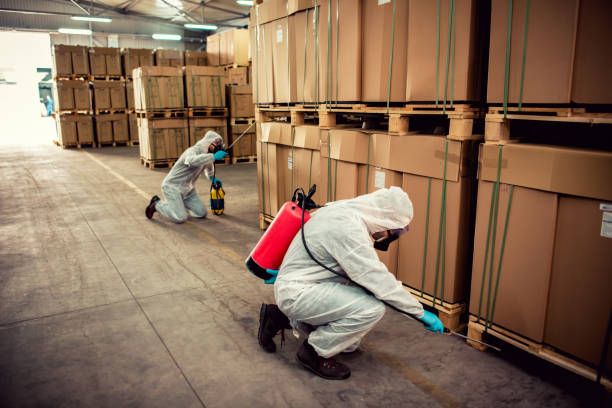
How Commercial Properties Can Benefit from Professional Pest Control Services
Preventing Property Damage
Pests such as rodents, termites, and cockroaches can cause significant damage to the structural integrity of a building as well as inventory and equipment. For example: – Rodents chew on furniture, wiring systems, and walls. – Termites weaken wooden structures by feeding on them. – Cockroaches can contaminate stored food and packaging.
Professional exterminators use targeted treatments to eliminate these pests before they can inflict costly damage.
Safeguarding Health Standards
Maintaining a clean and hygienic environment is critical for businesses in sectors like food service, healthcare, and retail. Pests carry diseases that may compromise employee health or customer safety. Examples include: – Rats spreading diseases such as leptospirosis or hantavirus. – Flies contaminating surfaces with bacteria like E.coli or Salmonella. – Cockroaches triggering allergies or asthma attacks.
Regular pest control helps mitigate these risks by ensuring health standards are upheld at all times.
Enhancing Reputation Management
A single sighting of a pest in your business premises can tarnish your reputation significantly—especially in the age of social media. Customers are quick to share negative experiences online: – A restaurant with visible pests could lose its loyal patrons over hygiene concerns. – Retail stores impacted by pests may face customer complaints about product contamination.
Consistent pest management shows a commitment to maintaining a clean and professional environment.
Regulatory Compliance
Many industries must adhere to strict regulations regarding cleanliness and pest control. Non-compliance can lead to fines or forced closures. Professional exterminators help businesses: 1. Stay compliant with local health codes. 2. Prepare documentation for audits or inspections. 3. Meet industry-specific requirements for sanitation.
Tailored Services for Different Industries
Experienced exterminators understand that each industry has unique requirements when it comes to pest prevention: | Industry | Common Pests | Solutions Provided | |—————————|——————–|————————————| | Food Service & Hospitality | Rats, Cockroaches | Regular inspections and bait traps| | Warehousing | Rodents, Termites | Structural fumigation | | Healthcare Facilities | Ants, Flies | Non-toxic treatments |
These customized services maximize effectiveness while minimizing disruption.
Cost Efficiency Over Time
Skipping regular pest control may seem cost-effective initially but could lead to greater expenses down the line. Consider: – Expensive structural repairs caused by undetected termite infestations. – Loss of business revenue during temporary closures due to health code violations.
Investing in professional services minimizes these risks through early detection and long-term prevention plans.
By adopting regular commercial pest control practices delivered by trained professionals, businesses safeguard their property investments while maintaining smooth operations free from interruptions caused by potential infestations.
Recognizing Common Pests and Their Impact on Your Home or Business
Recognizing common pests and understanding their potential impact is an essential step in safeguarding your property. Pests are more than just a nuisance; they can cause significant structural damage, pose health risks to occupants, and disrupt daily operations. Here’s an overview of common pests and how they can affect your home or business.
Common Household Pests
- Impact: Ant infestations can contaminate food supplies and cause structural damage, especially carpenter ants that burrow into wood.
- Signs of Infestation: Trails of ants, visible nests, or damaged wood structures.
- Impact: Spread bacteria such as Salmonella and E. coli, trigger allergies, and worsen asthma symptoms.
- Signs of Infestation: Droppings resembling coffee grounds, musty odor, or shed skin.
- Impact: Chewing through wires (fire hazard), contaminating food stocks, spreading diseases like Hantavirus.
- Signs of Infestation: Gnawed materials, droppings, scratching noises in walls or ceilings.
- Impact: Silent destroyers that compromise the structural integrity of wood-based constructions.
- Signs of Infestation: Hollow-sounding wood, mud tubes near foundations.
Common Commercial Property Pests
- Impact: Spread bacteria to surfaces in restaurants or offices with improper waste management.
- Prevention Tip: Maintain sanitary conditions around trash bins and drains.
- Found in warehouses dealing with grains or food storage facilities.
- Can lead to product contamination and financial losses.
- Bed Bugs (Hotels/Hostels)
Seen primarily where there’s high turnover use—hotels etc
Table summary Risk? Eg spread
Why Choosing a Trusted Exterminator Is Crucial for Long-Term Pest Prevention
Choosing the right exterminator is not just about solving your immediate pest problem. It is a critical decision that can impact your home or business’s long-term comfort, safety, and structural integrity. A trusted exterminator provides more than a temporary fix—they deliver effective pest prevention strategies that stand the test of time. Below are several reasons why selecting a reliable pest control professional can make all the difference.
Expertise and Experience
A trusted exterminator has the experience and knowledge necessary to identify the underlying causes of infestations. This expertise ensures:
– Accurate Pest Identification: Misidentifying pests can lead to ineffective treatments. Experienced exterminators use their skills to correctly pinpoint the type of infestation and adopt tailored solutions.
– Targeted Treatment Plans: Professionals understand how different pests behave, allowing them to apply precise treatments that eradicate current infestations while preventing future outbreaks.
Long-Term Cost Savings
While hiring an experienced exterminator may seem like an upfront investment, it often saves money in the long term by addressing issues comprehensively. Benefits include:
– Reducing repeated costs from ineffective DIY methods or cheap services that fail to solve the root cause of infestations. – Preventing structural damage caused by pests such as termites, which could otherwise result in expensive repair bills.
Safer Solutions
A trusted exterminator prioritizes health and safety by using modern techniques and environmentally responsible products. Benefits of working with such professionals include:
– Reduced exposure to harmful chemicals for people and pets. – Compliance with regulations governing pesticide use and application.
| Unsafe DIY Treatments | Professional Exterminator Solutions |
| Improper chemical usage | Eco-friendly, controlled applications |
| Risky trial-and-error approaches | Proven methods backed by expertise |
Customized Pest Control Plans
Every property is unique, meaning no one-size-fits-all solution exists for pest control. Professionals assess your space and tailor services accordingly:
1. Conducting thorough inspections to determine vulnerabilities. 2. Developing prevention-focused strategies based on your specific needs. 3. Scheduling follow-ups to ensure long-lasting results.
Peace of Mind
Pest problems can be stressful, especially when left unresolved or handled improperly. Hiring a trusted exterminator helps alleviate this stress by providing:
– Assurance that professionals are managing even complex infestations. – Confidence in knowing preventive measures are being implemented effectively.
Signs You’re Working with a Trusted Exterminator
When selecting an extermination professional, look for characteristics such as:
– Proper licensing and certifications verifying their qualifications. – Positive customer reviews or referrals showcasing their reliability. – Clear communication about services offered, pricing structures, and follow-up procedures.
By investing in a reputable pest control service provider, property owners can enjoy lasting protection against pests while maintaining the health and safety of their environments.
- Understanding the Role of an Exterminator Miami Gardens FL and Its Importance for Your Home and Health
- Understanding What a Pest Control Company Miami Gardens FL Uses to Keep Your Home Safe
- Essential Benefits of Miami Gardens FL Pest Control and Regular Inspections
- Why Homeowners in Miami Gardens FL Should Invest in Professional Pest Control Services
- The Importance of Hiring a Pest Control Company Miami Gardens FL for a Healthy Environment
- Comprehensive Miami Gardens FL pest control Inspection Process Explained by Experts
- The Importance of Miami Gardens FL Pest Control for Protecting Your Home and Family
- Why You Need an Exterminator Miami Gardens FL for Professional Pest Control Services