Understanding What a Pest Control Company Miami Gardens FL Uses to Keep Your Home Safe

Spraying, disinfection and decontamination Professional worker in protective workwear reading checklist about house disinfection plan. pest control service stock pictures, royalty-free photos & images

Pest control companies use a variety of chemicals, often referred to as pesticides, to manage and eliminate infestations in residential spaces. These chemicals are specifically chosen for their effectiveness against targeted pests while minimizing risks to humans, pets, and the environment. Understanding what these substances are and how they work can provide homeowners with insights into the pest control process.

Categories of Chemicals Used in Pest Control

  1. Designed to kill or repel insects such as ants, cockroaches, termites, and flies.
    • Pyrethroids (e.g., permethrin): Synthetic compounds modeled after natural pyrethrins found in chrysanthemum flowers. They disrupt the nervous system of insects.
    • Neonicotinoids: Highly effective against sucking pests like aphids by attacking their central nervous system.
  2. Formulated to eliminate rodents such as mice and rats.
  3. Often include anticoagulants (e.g., bromadiolone) that cause internal bleeding over time after ingestion.
  4. Target weeds and unwanted vegetation that might harbor pest populations or diseases.
  5. Used to prevent or eliminate fungal growth that can damage plants or homes.
  6. Specifically designed to combat bacteria-related infestations.

Commonly Used Chemicals

Chemical Name Purpose Mode of Action Example Usage
Pyrethroids Insect control Disrupts insect nervous systems Ants, cockroaches
Boric Acid Broad-spectrum insecticidal agent Damages digestive systems of pests Termites, silverfish
Fipronil Bait stations for insects Blocks nervous system receptors leading to death Cockroach baits
Bromadiolone Rodent management Anticoagulant that causes internal bleeding Mouse/Rat infestations

How These Chemicals Work in Your Home

  • Pesticides are strategically placed in areas where pests are most active or likely to enter your home (e.g., cracks, crevices). This ensures maximum efficacy while limiting exposure for non-target species such as humans or pets.
  • Chemicals like pyrethroids are often sprayed around entry points (windows, doors) forming an invisible barrier against crawling insects.
  • Rodenticides may be placed inside sealed bait stations to target rodents without posing significant risks to children or animals.
  • Some treatments use slow-acting chemicals (like boric acid), allowing pests to carry the poison back to their colonies before dying—effectively eliminating entire populations.

Safety Measures Taken by Professionals

  • Use products approved by organizations like EPA (Environmental Protection Agency).
  • Apply chemicals only where necessary based on inspection results and pest activity levels.
  • Advise homeowners about precautions during treatments (e.g., staying out of treated areas for a recommended period).

These combined approaches ensure safe yet effective pest management within residential environments. Understanding how these products function empowers homeowners with transparency about professional extermination services while reducing common misconceptions about chemical usage indoors.

Effective Miami Gardens FL Pest Control: Common Chemicals Used by Professionals

Professionally managed pest control services rely on a variety of chemicals to target and eliminate different types of pests. These chemicals are carefully selected based on the pest species, the environment, and the level of infestation to ensure safety and effectiveness. Here’s a detailed look at the most commonly used pest control chemicals and their properties.

1. Insecticides

  • Synthetic versions of natural pyrethrins (derived from chrysanthemums).
  • Highly effective against a range of insects but pose minimal risks to humans when used correctly.
  • Often used as sprays for indoor or outdoor applications.
  • Mimic nicotine’s effects on an insect’s nervous system.
  • Commonly used for soil treatments or in baits to kill insects like termites.
Chemical Class Best For Application Method Safety Notes
Pyrethroids Ants, cockroaches, flies Spray or fogging Safe when diluted; avoid inhalation
Neonicotinoids Termites, aphids Soil treatment/bait Can harm pollinators in high doses

2. Rodenticides

Rodenticides target rodents like rats and mice by disrupting their physiological processes. They are typically available in bait form with added attractants to increase effectiveness.

  • Cause internal bleeding over time after ingestion.
  • Effective but require careful placement away from non-target animals such as pets or wildlife.
  • Work more quickly than anticoagulants by targeting other biological processes (e.g., calcium metabolism).

Key considerations: – Always place baits in tamper-proof containers. – Monitor usage regularly to prevent secondary poisoning risks for pets or predators consuming affected rodents.

3. Herbicides

Though not traditional “pest” control tools, herbicides help manage weed growth that can harbor pests like ticks or certain insects.

  • Selective herbicides are formulated to target specific plant species without harming surrounding vegetation.
  • Non-selective herbicides are effective for broad-spectrum weed management but must be applied with precision.

4. Fumigants

Fumigants involve releasing gases into enclosed spaces to eliminate pests such as termites or bed bugs completely. These potent chemicals penetrate deep into cracks and crevices where pests hide.

Common fumigants include: – Phosphine gas – Methyl bromide (restricted use due to environmental concerns)

Proper fumigation requires professional expertise due to its hazardous nature and need for controlled application procedures.

Pest control exterminator spraying insecticide over domestic insects in the house Pest control guy exterminating home insects. Male contractor in white protective workwear sprays toxic gas on floor and furniture inside house. Close up disgusting cockroaches trying escape under sofa pest control service stock pictures, royalty-free photos & images

Factors Influencing Chemical Effectiveness

  1. Proper Identification: Using the correct chemical tailored specifically for the pest type ensures efficient elimination.
  2. Application Method: Improper application may lead to ineffective results or contamination.
  3. Environmental Conditions: Temperature, humidity levels, and air circulation influence how well certain chemicals work.
  4. Pest Resistance: Overuse of certain chemicals can lead pests to develop resistance over time (e.g., bed bugs with pyrethroids). Rotating chemical classes is often advised.

Using professionally approved pest control chemicals ensures targeted results while reducing risks associated with improper handling of pesticides at home.

13 Essential Factors to Consider Before Hiring a Pest Control Company to Exterminate Your Home

When choosing a pest control company for your home, careful thought and consideration are crucial. Not all companies provide the same level of expertise or safety. Below are 13 essential factors to guide you through the decision-making process.

1. Experience and Expertise

  • Look for companies with a proven track record in pest control services.
  • Ask how long they’ve been in operation and if they specialize in managing specific pest infestations, such as termites, rodents, or bed bugs.

2. Certifications and Licensing

  • Verify that the company holds proper certifications and pesticide applicator licenses in compliance with local regulations.
  • Licensed professionals ensure safety standards are met during chemical application.

3. Insurance Coverage

  • Ensure the company has liability insurance to protect your property during treatments.
  • Workers’ compensation coverage is also important in case of any accidents involving technicians on your property.

4. Range of Services Offered

  • Assess whether the company offers both extermination services and preventative solutions.
  • Some companies may also offer eco-friendly options or integrated pest management (IPM) strategies.

5. Chemical Safety

  • Ask what chemicals will be used and how safe they are for children, pets, and the environment.
  • Request Safety Data Sheets (SDS) for any products applied inside your home.
Chemical Type Primary Target Safety Considerations Alternative Options
Pyrethroids Mosquitoes, ants Low toxicity to humans; toxic to fish Plant-based repellents
Boric acid Cockroaches Safe when used appropriately Mechanical barriers
Fipronil Termites Toxic if ingested; avoid contact with pets Heat treatments

6. Reputation and Reviews

  • Research online reviews from previous customers on platforms like Google or Yelp.
  • Word-of-mouth referrals from friends or family can also provide reliable insights into a company’s reputation.

7. Customized Plans

Avoid one-size-fits-all approaches by selecting a pest control provider that tailors solutions based on your specific infestation problem and property’s needs.

8. Pricing Transparency

Ask for detailed quotes upfront, including potential follow-up visits or additional treatments required for complete extermination. Avoid companies that don’t provide clear pricing structures.

9. Guarantees or Warranties

Some companies offer satisfaction guarantees or warranties on their services; these can give you peace of mind that problems will be resolved efficiently without extra charges later.

10. Environmental Responsibility

If sustainability is important, choose a company offering eco-friendly treatments such as botanical pesticides or biological controls over traditional synthetic chemicals.

11. Response Time and Availability

Pest infestations can escalate quickly if left untreated—ask about their scheduling flexibility and how soon they can respond after contacting them.

12. Follow-Up Services

Effective extermination often requires ongoing maintenance plans or periodic inspections to prevent future infestations—this service should ideally be included in their offerings.

13. Compliance with Laws & Regulations:

Ensure the company adheres to federal guidelines set forth by organizations like the Environmental Protection Agency (EPA) when handling pesticides while avoiding banned substances prohibited under local laws.

By thoroughly evaluating these factors before hiring an extermination service, you ensure effective results while safeguarding your family’s health, home integrity, and environmental impact from improper practices.

How Pest Infestations Happen and What You Can Do to Prevent Them

Pest infestations can be a significant nuisance, causing structural damage, spreading diseases, and creating unhygienic environments. Understanding how these infestations occur and taking preventative measures can save property owners both time and money. Below, we explore the common ways pests invade homes or properties and provide actionable tips to prevent them.

Common Ways Pest Infestations Happen

  1. Entry Points
    Pests often gain access to your home through cracks, crevices, vents, or improperly sealed doors and windows. Rodents like mice and rats can squeeze through openings as small as a dime.
  2. Food Sources
    Leaving uncovered food or improperly sealed garbage attracts pests such as ants, cockroaches, and flies. Even small crumbs on countertops or floors act as an invitation for infestation.
  3. Moisture Issues
    Leaky pipes, clogged gutters, or standing water create ideal conditions for pests like mosquitoes, termites, and silverfish to thrive.
  4. Cluttered Environments
    Piles of cardboard boxes, newspapers, or unused items in basements or garages provide perfect nesting spots for spiders, rodents, and other pests.
  5. Transport from Outside
    Pests can hitch a ride into your home via luggage after traveling or on second-hand furniture/clothing that hasn’t been inspected properly.
  6. Seasonal Factors
    Certain times of the year increase pest activity due to weather changes. For example:
  7. In spring: Increased rodent activity due to breeding cycles.
  8. In summer: Mosquitoes thrive in warm environments with standing water.
  9. In fall/winter: Rodents seek warmth indoors during colder months.

Practical Steps to Prevent Pest Infestations

  • Seal Entry Points:
    Regularly inspect your home’s exterior for gaps around doors/windows, cracks in foundations, or damaged screens. Use caulk or steel wool to seal these entry points effectively.
  • Proper Food Storage:
    Store dry goods like cereals or grains in airtight containers instead of their original packaging. Ensure garbage cans are closed tightly with lids at all times.
  • Eliminate Standing Water:
    Check for leaks under sinks and fix dripping faucets promptly. Empty outdoor items like flower pots that might collect rainwater where mosquitoes could breed.
  • Declutter Your Home:
    Keep storage areas tidy by discarding old magazines/newspapers you no longer need while organizing seasonal decorations into pest-proof plastic bins instead of cardboard boxes.
  • Maintain Landscaping:
    Trim back bushes/trees so they don’t touch the structure of your home; this reduces pathways for pests such as ants or squirrels entering roofs/eaves directly from branches nearby.

House pest control Professional exterminator in protective workwear spraying pesticide in apartment kitchen. pest control service stock pictures, royalty-free photos & images

Table: Seasonal Pest Prevention Quick Guide

Season Common Pests Key Prevention Tips
Spring Rodents; Ants Seal cracks; clean kitchens; fix foundation gaps
Summer Mosquitoes; Flies Eliminate standing water; maintain window screens
Fall Spiders; Stink Bugs Declutter basements/garages; use weather stripping
Winter Mice; Rats Install door sweeps; insulate attics appropriately

Additional Long-Term Strategies

  • Schedule regular inspections with a certified pest control professional.
  • Use natural repellents such as peppermint oil (for rodents) or diatomaceous earth (for crawling insects).
  • Maintain clean gutters/downspouts to prevent moisture buildup near your home’s foundation.
  • Educate household members about proper sanitation practices—particularly in kitchens/bathrooms where infestations often originate.

By addressing potential causes proactively using the strategies outlined above while staying vigilant about early signs (e.g., droppings/noises), you’ll significantly reduce risks associated with unwanted invasions indoors over time without relying solely upon reactive extermination services later down the line.

Spring Rodent Prevention Tips for Protecting Stored Vehicles, Cabins, and Sheds

Spring is a critical season for rodent activity as these pests emerge from their winter shelters in search of food, water, and nesting sites. Stored vehicles, cabins, and sheds are often prime targets because they provide shelter and easy access to nesting materials. To protect your property effectively, consider these practical prevention tips.

1. Inspect and Seal Entry Points

Rodents can squeeze through small openings as tiny as ¼ inch wide. Conduct a thorough inspection of your vehicles, cabins, and sheds for potential entry points.

  • Gaps around doors and windows
  • Cracks in the foundation or walls
  • Open vents or damaged screens
  • Use steel wool or silicone-based caulk to seal gaps.
  • Install weather stripping around doors.

2. Keep the Area Clean and Clutter-Free

Rodents are attracted to cluttered spaces that provide hiding spots and nesting materials.

  • For stored vehicles: Remove any trash or items left inside such as food wrappers or paper products that could serve as nesting material. Vacuum interiors thoroughly before storage.
  • For sheds: Store items in plastic containers with tight-fitting lids instead of cardboard boxes which rodents can chew through easily.
  • For cabins: Ensure all surfaces are clean of crumbs or food residue when locking up for extended periods.

3. Use Rodent Deterrents Strategically

Type Examples Usage Tips
Natural deterrents Peppermint oil, cayenne pepper Soak cotton balls with peppermint oil; place them near potential entry points.
Ultrasonic devices Plug-in ultrasonic repellents Place these devices in sheds or garages to emit high-frequency sounds.
Physical barriers Mesh screens or wire mesh Cover vents or drain spouts with fine wire mesh.

4. Protect Stored Vehicles Effectively

  • Place mothballs or dryer sheets under the hood (but replace regularly).
  • Consider rodent-repellent tape designed for wiring insulation.
  • Start your vehicle periodically during storage months to discourage long-term infestation.

5. Use Traps Where Necessary

  • Snap traps are effective for immediate control.
  • Live traps allow you to relocate rodents humanely.
  • Glue boards should be avoided unless absolutely necessary due to ethical concerns.

Ensure all traps are checked frequently to prevent prolonged suffering of trapped rodents.

Final Steps Before Spring Storage

Before closing up your cabin or shed—or leaving a vehicle stored long-term—take these final precautions: 1. Remove perishable foods completely from the property. 2. Drain water sources if possible (e.g., empty buckets). 3. Install motion-sensor lighting outside structures; bright lights deter nocturnal pests. 4. Consider consulting professional pest control services if infestations persist despite preventive measures.

By following these steps diligently, you’ll reduce the likelihood of rodent infestations while protecting your property from costly damage caused by pests during springtime transitions.

Understanding Real-Life Examples of Successful Pest Extermination Strategies

When it comes to pest control, real-world examples provide valuable insights into how professionals tackle complicated infestations. These success stories highlight effective strategies, tools, and approaches that work in various situations. Below are examples of proven pest extermination strategies used in real scenarios, demonstrating the importance of expertise and strategic planning.

Case Study 1: Eliminating a Severe Bed Bug Infestation in a Multi-Family Apartment Building

Overview:
A property manager discovered a widespread bed bug infestation in a multi-family apartment complex. The infestation had spread across multiple units due to shared walls and furniture movement between tenants.

Steps Taken:
1. Inspection and Identification:
– A licensed exterminator conducted a thorough visual inspection of all affected units.
– Canine detection was employed to identify hidden bed bug colonies.

  1. Residents were educated on preparatory steps, such as decluttering and laundering bedding at high heat.
  2. A combination of heat treatment (raising room temperatures above 120°F) and chemical sprays with residual effects was applied.
  3. Two additional treatments over the following month ensured complete eradication across all units.

Outcome:
The infestation was fully resolved within six weeks, preventing further spread and restoring tenant satisfaction.

Case Study 2: Controlling a Rodent Infestation in a Commercial Warehouse

Overview:
A food storage facility faced persistent rodent issues that threatened product safety and violated health regulations.

Steps Taken:
1. Site Assessment:
– The extermination team identified entry points, nesting areas, and sources of food attracting the rodents using infrared cameras and traps for monitoring activity levels.

  1. All entry points were sealed with durable materials like steel mesh.
  2. Storage racks were reorganized to reduce clutter and remove hiding spots.
  3. Tamper-resistant bait stations containing anticoagulant rodenticides were deployed strategically throughout the warehouse.
  4. Non-toxic monitoring blocks were alternated to track activity without risking contamination during active operations.
  5. Employees were trained on maintaining cleanliness around food storage areas.
  6. Weekly inspections by pest control professionals ensured compliance with sanitation protocols.

Outcome:
Rodent sightings diminished significantly within two weeks, with complete eradication by the third month.

Table: Comparison of Strategies Used in Different Cases

Strategy Bed Bug Infestation Rodent Infestation
Inspection Tools Visual + Canine Detection Infrared Cameras + Traps
Primary Control Method Heat Treatment + Chemicals Baiting Programs
Preventative Measures Resident Education Sealing Entry Points + Sanitation

Lessons Learned from Successful Extermination Efforts

  • Tailored Solutions for Specific Pests: Each pest species has distinct behaviors requiring unique treatment plans.
  • Integrated Approaches Over Single Methods: Combining techniques like chemical treatments with environmental adjustments ensures long-term success.
  • Regular Monitoring and Follow-Ups: Routine inspections help detect any recurring issues early.
  • Collaboration Between Professionals & Clients: Educating property owners or tenants on preventative steps is key for sustaining results over time.

These strategies emphasize the importance of professional expertise while also showcasing preventative practices everyone can adopt to maintain pest-free environments efficiently.


Tags:

Essential Benefits of Miami Gardens FL Pest Control and Regular Inspections

Pest control service worker in protective uniform spraying insecticide inside the house Pest control service guy working inside the house. Man in white protective overalls crouching near wall and spraying cockroach insecticide from yellow sprayer for safe living environment at home exterminator stock pictures, royalty-free photos & images

Regular pest inspections are a proactive approach to protecting your property, health, and financial well-being. Many property owners overlook the importance of consistent pest monitoring until an infestation becomes unmanageable. However, routine inspections can help identify potential problems early, mitigate costly damages, and ensure a safer living or working environment.

Early Detection of Pest Issues

  • Structural damage caused by termites can be identified before it escalates into costly repairs.
  • Rodent infestations (which can lead to contamination and disease) can be managed before they spread.
  • Signs of smaller pests like ants or bed bugs can be spotted before they multiply.

By identifying pests at an early stage, exterminators can implement targeted solutions that reduce the need for large-scale treatments.

Protecting Your Health

Pests are not just a nuisance; they often carry harmful bacteria and diseases that put your family or employees’ health at risk. Regular inspections prevent exposure to potential hazards such as:
– Allergens from cockroach droppings or rodent dander.
– Salmonella or E. coli from contaminated food caused by pests. – Diseases such as Hantavirus (from rodents) or Lyme disease (from ticks).

Routine pest control measures ensure that these risks are minimized.

Cost Savings in the Long Run

Scenario Costs Without Inspections Costs With Regular Inspections
Termite Damage $3,000 – $8,000 (repair costs) ~$200 annually for inspection
Rodent Control $500 – $1,200 per infestation ~$150 annually for inspection
Bed Bug Infestation $1,000+ treatment costs Minimal with preventative measures

By investing in regular pest checks now, you’ll avoid larger expenses down the line.

Preserving Property Value

For homeowners looking to sell their property—or businesses aiming to maintain their reputation—regular pest inspections play an important role in maintaining property value. A home free from termite damage or other infestations is far more attractive to buyers than one requiring repairs.

Likewise, commercial properties with visible signs of pests risk damaging their brand image and even violating health regulations.

Promoting Peace of Mind

Consistent pest control efforts bring peace of mind knowing that your home or business remains protected year-round. You don’t have to live with the uncertainty of hidden infestations causing harm behind walls or under floors.

Summary Checklist: Why Regular Pest Inspections Are Essential
  • ✔️ Detect signs of pests early before they escalate.
  • ✔️ Safeguard family members’ health from contamination and diseases.
  • ✔️ Save money on expensive long-term repairs.
  • ✔️ Maintain property value for residential or commercial spaces.
  • ✔️ Minimize stress with ongoing prevention strategies.

Routine professional inspections not only protect your investment but also create healthier environments where families thrive and businesses succeed.

Choosing the Right Pest Control Company Miami Gardens FL for Thorough Inspections

Pest inspections are a vital part of maintaining the health, safety, and value of your property. Whether you own a residential or commercial property, routine pest inspections can identify potential risks before they escalate into serious infestations. Here’s why thorough pest inspections are essential and what you can expect from them.

The Role of Pest Inspections

Pests can cause significant structural damage to properties, introduce health hazards, and lead to costly repairs if not detected early. Thorough pest inspections help you:
Identify Hidden Infestations: Many pests, such as termites or rodents, remain hidden in walls, basements, or attics. A detailed inspection uncovers these hidden threats.
Protect Property Value: Pest damage can devalue your home or business significantly. Regular inspections safeguard your investment by detecting and addressing issues promptly.
Prevent Health Risks: Certain pests like cockroaches, rodents, and mosquitoes carry diseases that can harm humans or pets. Inspections help ensure a healthy environment for residents or employees.

What Happens During a Comprehensive Inspection?

  1. Checking for cracks in foundations, gaps in windows/doors, or any potential entry points for pests.
  2. Inspecting outdoor areas like gardens and drainage systems where pests may breed.
  3. Searching attics, basements, crawl spaces, and storage areas for signs of activity such as droppings or nests.
  4. Using specialized tools to detect wood damage caused by termites or other destructive insects.
  5. Providing detailed reports outlining current issues and potential vulnerabilities within your home or business structure.
  6. Offering tailored solutions such as sealing entry points, improving sanitation practices, or scheduling follow-up services to eliminate risks.
Inspection Component Purpose Example Issues Detected
Exterior Assessment Identify access points & outdoor nesting spots Cracks in foundation; ant colonies
Interior Examination Detect infestations & structural damages Termite tunnels; rodent droppings
Documentation Provide actionable insights Maps vulnerable zones on property
Recommendations Suggest preventive & corrective measures Sealing cracks; installing baits

Signs You Need an Immediate Pest Inspection

  • You notice strange smells coming from walls or cabinets (a sign of rodent activity).
  • You discover droppings in food storage areas or near baseboards.
  • Structural issues like sagging floors could indicate termite damage.
  • You hear scratching noises at night (often indicative of mice).

Long-Term Benefits

  • Reduces long-term repair costs by catching infestations early.
  • Improves occupant comfort by eliminating nuisance species.
  • Ensures compliance with health standards for businesses handling food products.

By understanding the importance of thorough pest inspections and integrating them into your maintenance routine, you can protect your property’s integrity while promoting a safe and hygienic environment for all occupants.

The Importance of Hiring an Exterminator Miami Gardens FL for Thorough Pest Inspections

Thorough pest inspections are critical for maintaining the safety, comfort, and integrity of your property. Whether it’s a residential home or a commercial space, identifying pests early can save you from costly damage and potential health risks. Regular inspections by professionals ensure that infestations are caught before they escalate and provide valuable insights into preventing future issues.

Why Pest Inspections Matter

  • Early Detection: Identifying pest activity in its early stages helps prevent infestations from spreading. This minimizes the damage to your property and reduces the cost of treatment.
  • Preventing Structural Damage: Pests such as termites, carpenter ants, or rodents can cause severe structural damage. Early inspections help address these problems before they affect the foundation or framework of your building.
  • Health Protection: Many pests carry diseases that can harm humans and pets. For instance:
  • Cockroaches spread allergens that trigger asthma.
  • Rodents transmit diseases like Hantavirus or Salmonella.
  • Mosquitoes carry illnesses such as West Nile Virus or Dengue fever.
  • Preserving Property Value: A pest-free property maintains its market value better than one with ongoing pest issues.

What Happens During a Thorough Pest Inspection?

  1. Inspecting for cracks, crevices, or entry points around windows, doors, pipes, and foundations.
  2. Checking outdoor spaces like gardens, woodpiles, or sheds where pests may nest.
  3. Examining walls, ceilings, basements, attics, and crawl spaces for signs of droppings, nests, or damage.
  4. Looking for evidence of termite mud tubes or wood deterioration.
  5. Identifying moisture issues such as leaks that attract pests like cockroaches or silverfish.
  6. Noting food debris that may attract rodents or ants.
  7. Determining which species are present based on evidence (e.g., droppings size for rodents).
  8. Assessing the severity of infestation levels.

Benefits of Hiring Professionals for Pest Inspections

  • Access to advanced tools like moisture meters and thermal imaging cameras for detecting termites behind walls.
  • Tailored solutions based on detailed inspection findings rather than generic treatments.
  • A thorough understanding of local pest behavior patterns specific to your region.

Tips for Maintaining a Pest-Free Property After Inspections

  • Seal all potential entry points using caulk or weather stripping around doors and windows.
  • Eliminate standing water sources by fixing leaks or clearing clogged gutters.
  • Store food in airtight containers to reduce access for pests like ants and rodents.
  • Schedule routine inspections every six months to ensure continued protection.
Common Pests Potential Damage/Impact Preventative Measures
Termites Structural damage; weakened foundations Regular termite inspections; sealing cracks
Rodents Chewed wires/insulation; contamination through droppings Traps; keeping food stored properly
Cockroaches Spread allergens; contaminate surfaces Routine cleaning; sealing gaps
Ants Infest pantries; structural weakening through nests Food storage; blocking access points

Thorough pest inspections protect both your health and investment by addressing vulnerabilities proactively. Partnering with professionals ensures continuity in maintaining a safe environment across all types of properties.

House pest control Professional exterminator in protective workwear spraying pesticide in apartment kitchen. exterminator stock pictures, royalty-free photos & images

Effective Miami Gardens Pest Removal Solutions for Every Situation

Pest control is not a one-size-fits-all solution. Different environments, pest types, and levels of infestation require tailored approaches to ensure the problem is effectively managed. Proactive and adaptive pest control strategies focus on preventing infestations before they occur while remaining flexible enough to address emerging issues as they arise. By implementing these strategies, property owners can maintain healthier, pest-free environments and reduce both long-term costs and risks.

Key Elements of Proactive Pest Control

  • Routine Inspections: Regular property assessments help identify vulnerabilities such as cracks, gaps, or moisture issues that pests could exploit.
  • Sanitation Measures: Keeping areas clean and free of food debris denies pests access to food sources.
  • Sealing Entry Points: Blocking off potential entryways like windows, doors, vents, and utility openings prevents insects and rodents from gaining access.
  • Environment Optimization: Managing landscaping features (e.g., trimming shrubs or removing standing water) creates an environment that is less attractive to pests.

By focusing on these foundational measures, property owners can significantly reduce the risk of experiencing pest problems.

The Importance of Adaptive Pest Control

While proactive measures are crucial, unanticipated situations may still arise where pest problems occur despite preventative efforts. This is where adaptive pest control becomes essential. Adaptive solutions involve responding quickly to new infestations with customized strategies designed for maximum effectiveness in specific circumstances.

  • Pest Identification: Properly identifying the type of pest ensures that targeted methods are employed.
  • Customized Treatment Plans: Based on inspection results, treatments are tailored for specific species and infestation levels.
  • Monitoring Post-Treatment Results: Ongoing observation ensures that treatments remain effective and identifies any need for adjustments.
  • Seasonal Adjustments: Pests often behave differently based on seasonal changes. Adaptive plans account for these shifts to address year-round challenges efficiently.

Comparison Table: Proactive vs. Reactive Pest Control

Aspect Proactive Approach Reactive Approach
Focus Prevention Addressing existing infestations
Cost Effectiveness Lower long-term costs Higher costs due to treatment expenses
Environmental Impact Reduced chemical usage Often higher use of pesticides
Long-Term Outcomes Consistent pest management Temporary relief without root solutions

Benefits of Integrating Both Approaches

  1. Reduced Health Risks: By preventing infestations early or addressing them promptly, you minimize exposure to diseases carried by pests.
  2. Cost Savings: Preventative measures reduce the likelihood of expensive emergency treatments or property damage caused by unchecked infestations.
  3. Environmental Responsibility: Combining prevention with targeted treatments reduces reliance on widespread pesticide use.

Whether you’re managing a residential or commercial property, integrating proactive and adaptive practices provides a robust defense against pests under any circumstance while promoting healthier living spaces.

Expert Pest Control Service Miami Gardens FL for Residential Properties

Pests can pose significant challenges to residential properties, causing damage, spreading diseases, and creating discomfort for homeowners. Implementing effective pest control strategies is essential for maintaining a safe, healthy, and comfortable living environment. Below are some key approaches to managing pests in residential settings.

Inspection and Identification

Effective pest control begins with thorough inspection and proper identification of infestations. Homeowners or professional exterminators should:
– Inspect common entry points such as doors, windows, vents, and cracks in walls.
– Check areas prone to moisture buildup like basements, bathrooms, and kitchens.
– Identify the type of pest (e.g., rodents, cockroaches, termites) to determine the appropriate control method.

Prevention Strategies

Preventive measures form the cornerstone of an effective pest management plan. Implement these tips to minimize the likelihood of infestations:
1. Seal Entry Points: Use caulking or weather stripping to seal gaps around doors and windows. Repair any holes in walls or screens. 2. Proper Waste Management: Dispose of trash regularly and use tightly sealed garbage bins. 3. Declutter: Remove unnecessary clutter from attics, basements, or garages that may serve as hiding spots for pests. 4. Eliminate Standing Water: Empty pet bowls daily and fix plumbing leaks promptly as stagnant water attracts pests like mosquitoes.

Use of Safe Pest Control Products

When chemical treatments are necessary, selecting safe and environmentally friendly options is crucial:
– Opt for products labeled as safe for indoor use when treating inside the home.
– For homes with children or pets, use child-safe traps or bait stations instead of sprays that may cause harm if ingested or touched accidentally. – Consider Integrated Pest Management (IPM) methods that combine biological controls with minimal chemical application.

Category Examples Benefits
Natural Solutions Essential oils (e.g., peppermint oil), diatomaceous earth Eco-friendly; reduces reliance on synthetic chemicals
Bait Stations Ant baits; rodent bait boxes Targets specific pests without affecting non-target organisms
Professional Treatments Termite barriers; heat treatments Long-lasting; highly effective against severe infestations

Regular Maintenance Practices

Routine maintenance can help prevent future infestations:
– Clean gutters regularly to prevent water pooling that attracts mosquitoes or carpenter ants. – Store food in airtight containers to deter pantry pests such as beetles or moths. – Trim trees and shrubs away from your home’s exterior walls to reduce access points for crawling insects.

Benefits of Hiring Professional Exterminators

While DIY methods can address minor issues effectively, severe infestations often require professional expertise:
1. Experts possess knowledge about pest behaviors and targeted treatment techniques. 2. Professionals use advanced tools that ensure thorough extermination while minimizing risks to residents’ health. 3. Regular service contracts with exterminators provide ongoing protection against re-infestation through preventive inspections.

Residential pest control focuses on safeguarding your home through preventive measures combined with timely interventions when needed—ensuring a healthier living space free from unwanted intrusions by pests.

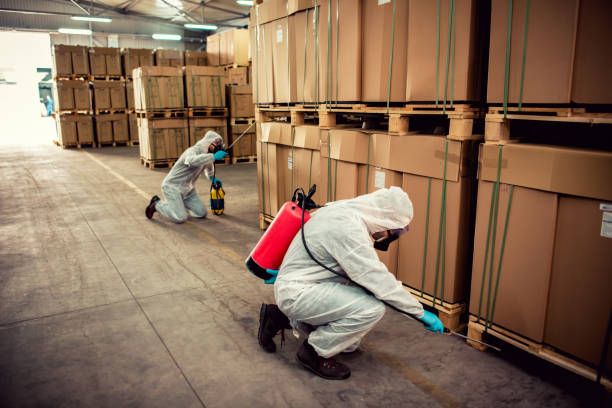
Exterminators in warehouse spraying pesticides with sprayer Exterminators in warehouse spraying pesticides with sprayer exterminator stock pictures, royalty-free photos & images

How Commercial Properties Can Benefit from Professional Pest Control Services

Preventing Property Damage

Pests such as rodents, termites, and cockroaches can cause significant damage to the structural integrity of a building as well as inventory and equipment. For example: – Rodents chew on furniture, wiring systems, and walls. – Termites weaken wooden structures by feeding on them. – Cockroaches can contaminate stored food and packaging.

Professional exterminators use targeted treatments to eliminate these pests before they can inflict costly damage.

Safeguarding Health Standards

Maintaining a clean and hygienic environment is critical for businesses in sectors like food service, healthcare, and retail. Pests carry diseases that may compromise employee health or customer safety. Examples include: – Rats spreading diseases such as leptospirosis or hantavirus. – Flies contaminating surfaces with bacteria like E.coli or Salmonella. – Cockroaches triggering allergies or asthma attacks.

Regular pest control helps mitigate these risks by ensuring health standards are upheld at all times.

Enhancing Reputation Management

A single sighting of a pest in your business premises can tarnish your reputation significantly—especially in the age of social media. Customers are quick to share negative experiences online: – A restaurant with visible pests could lose its loyal patrons over hygiene concerns. – Retail stores impacted by pests may face customer complaints about product contamination.

Consistent pest management shows a commitment to maintaining a clean and professional environment.

Regulatory Compliance

Many industries must adhere to strict regulations regarding cleanliness and pest control. Non-compliance can lead to fines or forced closures. Professional exterminators help businesses: 1. Stay compliant with local health codes. 2. Prepare documentation for audits or inspections. 3. Meet industry-specific requirements for sanitation.

Tailored Services for Different Industries

Experienced exterminators understand that each industry has unique requirements when it comes to pest prevention: | Industry | Common Pests | Solutions Provided | |—————————|——————–|————————————| | Food Service & Hospitality | Rats, Cockroaches | Regular inspections and bait traps| | Warehousing | Rodents, Termites | Structural fumigation | | Healthcare Facilities | Ants, Flies | Non-toxic treatments |

These customized services maximize effectiveness while minimizing disruption.

Cost Efficiency Over Time

Skipping regular pest control may seem cost-effective initially but could lead to greater expenses down the line. Consider: – Expensive structural repairs caused by undetected termite infestations. – Loss of business revenue during temporary closures due to health code violations.

Investing in professional services minimizes these risks through early detection and long-term prevention plans.

By adopting regular commercial pest control practices delivered by trained professionals, businesses safeguard their property investments while maintaining smooth operations free from interruptions caused by potential infestations.

Recognizing Common Pests and Their Impact on Your Home or Business

Recognizing common pests and understanding their potential impact is an essential step in safeguarding your property. Pests are more than just a nuisance; they can cause significant structural damage, pose health risks to occupants, and disrupt daily operations. Here’s an overview of common pests and how they can affect your home or business.

Common Household Pests

  1. Impact: Ant infestations can contaminate food supplies and cause structural damage, especially carpenter ants that burrow into wood.
  2. Signs of Infestation: Trails of ants, visible nests, or damaged wood structures.
  3. Impact: Spread bacteria such as Salmonella and E. coli, trigger allergies, and worsen asthma symptoms.
  4. Signs of Infestation: Droppings resembling coffee grounds, musty odor, or shed skin.
  5. Impact: Chewing through wires (fire hazard), contaminating food stocks, spreading diseases like Hantavirus.
  6. Signs of Infestation: Gnawed materials, droppings, scratching noises in walls or ceilings.
  7. Impact: Silent destroyers that compromise the structural integrity of wood-based constructions.
  8. Signs of Infestation: Hollow-sounding wood, mud tubes near foundations.

Common Commercial Property Pests

  1. Impact: Spread bacteria to surfaces in restaurants or offices with improper waste management.
  2. Prevention Tip: Maintain sanitary conditions around trash bins and drains.
  3. Found in warehouses dealing with grains or food storage facilities.
  4. Can lead to product contamination and financial losses.
  5. Bed Bugs (Hotels/Hostels)
    Seen primarily where there’s high turnover use—hotels etc
    Table summary Risk? Eg spread

Why Choosing a Trusted Exterminator Is Crucial for Long-Term Pest Prevention

Choosing the right exterminator is not just about solving your immediate pest problem. It is a critical decision that can impact your home or business’s long-term comfort, safety, and structural integrity. A trusted exterminator provides more than a temporary fix—they deliver effective pest prevention strategies that stand the test of time. Below are several reasons why selecting a reliable pest control professional can make all the difference.

Expertise and Experience

A trusted exterminator has the experience and knowledge necessary to identify the underlying causes of infestations. This expertise ensures:
Accurate Pest Identification: Misidentifying pests can lead to ineffective treatments. Experienced exterminators use their skills to correctly pinpoint the type of infestation and adopt tailored solutions.
Targeted Treatment Plans: Professionals understand how different pests behave, allowing them to apply precise treatments that eradicate current infestations while preventing future outbreaks.

Long-Term Cost Savings

While hiring an experienced exterminator may seem like an upfront investment, it often saves money in the long term by addressing issues comprehensively. Benefits include:
– Reducing repeated costs from ineffective DIY methods or cheap services that fail to solve the root cause of infestations. – Preventing structural damage caused by pests such as termites, which could otherwise result in expensive repair bills.

Safer Solutions

A trusted exterminator prioritizes health and safety by using modern techniques and environmentally responsible products. Benefits of working with such professionals include:
– Reduced exposure to harmful chemicals for people and pets. – Compliance with regulations governing pesticide use and application.

Unsafe DIY Treatments Professional Exterminator Solutions
Improper chemical usage Eco-friendly, controlled applications
Risky trial-and-error approaches Proven methods backed by expertise

Customized Pest Control Plans

Every property is unique, meaning no one-size-fits-all solution exists for pest control. Professionals assess your space and tailor services accordingly:
1. Conducting thorough inspections to determine vulnerabilities. 2. Developing prevention-focused strategies based on your specific needs. 3. Scheduling follow-ups to ensure long-lasting results.

Peace of Mind

Pest problems can be stressful, especially when left unresolved or handled improperly. Hiring a trusted exterminator helps alleviate this stress by providing:
– Assurance that professionals are managing even complex infestations. – Confidence in knowing preventive measures are being implemented effectively.

Signs You’re Working with a Trusted Exterminator

When selecting an extermination professional, look for characteristics such as:
– Proper licensing and certifications verifying their qualifications. – Positive customer reviews or referrals showcasing their reliability. – Clear communication about services offered, pricing structures, and follow-up procedures.

By investing in a reputable pest control service provider, property owners can enjoy lasting protection against pests while maintaining the health and safety of their environments.


Tags:

Why Homeowners in Miami Gardens FL Should Invest in Professional Pest Control Services

Oneman in protective suit spraying the house and disinfecting the housing exterminator pest control virus Oneman in protective suit spraying the house and disinfecting the housing exterminator pest control virus exterminator stock pictures, royalty-free photos & images

1. Comprehensive and Targeted Solutions

Professional exterminators are trained to identify the type of pest infestation and customize a solution tailored to your specific needs. Unlike over-the-counter treatments, which often offer only temporary relief, professionals use techniques that directly target the root cause of infestations.

Key benefits include:
Accurate pest identification: Knowing whether you’re dealing with termites, ants, or rodents is critical for effective treatment.
Targeted methods: Each pest species requires specialized treatments and strategies for eradication.
Preventative measures: Professionals implement techniques to prevent future infestations, saving you from recurring issues.

2. Safe and Effective Use of Chemicals

Pest control products available at stores can sometimes pose risks when used improperly or excessively by homeowners without adequate experience. Exterminators are well-versed in the safe handling and application of chemicals, ensuring both effectiveness and safety for your family and pets.

Advantages include:
– Reduced chemical exposure due to precise applications. – Eco-friendly options that minimize environmental impact. – Adherence to federal regulations and safety guidelines.

3. Protecting Your Property’s Value

Pests such as termites can cause severe structural damage over time if left unchecked. Investing in professional pest control ensures early detection and treatment that prevents costly repairs down the line.

Common property threats include:
| Pest Type | Potential Damage | Estimated Repair Costs (USD) | |—————|———————————–|—————————————–| | Termites | Structural wood damage | $3,000 – $8,000+ | | Rodents | Chewed wires causing fire risks | $500 – $10,000 (depending on severity) | | Carpenter Ants| Damage to wooden structures | $500 – $6,000 |

Timely intervention can save homeowners thousands of dollars in repair costs.

4. Time Efficiency

Dealing with persistent pests on your own can be time-consuming and frustrating when DIY methods fail repeatedly. Professional exterminators work efficiently by leveraging their experience, tools, and advanced technology to eliminate infestations swiftly while ensuring long-term results.

Key time-saving aspects include: – Quick assessment of infestation levels. – Streamlined application processes for treatments. – Follow-up visits to ensure complete eradication.

5. Peace of Mind

One of the greatest advantages is peace of mind knowing that your home is free from harmful pests. With expert help, you don’t have to worry about hidden infestations causing damage or posing health risks. Regular maintenance from professionals also reduces the likelihood of future outbreaks.

By investing in professional pest control services, homeowners not only protect their property but also create a safer living environment for their loved ones while enjoying long-term savings on repairs and replacements caused by pests’ damage levels over time.

How a Pest Control Company Miami Gardens FL Safeguards Your Home’s Structure from Pests

Pests can cause significant damage to a home’s structural integrity if left unchecked. From termites silently eating away at wooden beams to rodents chewing through electrical wires, the risks of structural damage are both costly and dangerous. Hiring professional exterminators ensures that your home is protected from these threats by leveraging their expertise and targeted pest solutions.

Common Structural Threats from Pests

  • Termites: Often referred to as “silent destroyers,” termites consume wood and cellulose-based materials that form the foundation of many homes. Over time, they weaken structural beams, flooring, and even walls.
  • Carpenter Ants: These ants don’t eat wood but hollow it out to build nests, which can compromise the strength of wooden structures.
  • Rodents: Rats and mice chew through insulation, drywall, and wiring. This not only weakens physical structures but also increases fire hazards due to exposed electrical circuits.
  • Powderpost Beetles: These insects bore into hardwoods like floorboards or furniture, creating holes and reducing the material’s durability over time.

How Professional Exterminators Address Structural Risks

  1. Thorough Inspections: Experts begin by conducting detailed inspections of your property to identify infestations or vulnerabilities in your home’s structure where pests may be gaining entry.
  2. Targeted Treatments: Based on their findings, exterminators apply treatments specifically designed for particular pests, such as liquid termiticides for termite colonies or baits for rodents.
  3. Preventative Measures: Beyond addressing current infestations, professionals implement preventative measures such as sealing entry points or recommending moisture control solutions that deter pests from entering your home in the first place.
  4. Use of Advanced Technologies: Tools like infrared cameras or moisture meters help detect hidden infestations in areas inaccessible to homeowners.

Benefits of Professional Pest Control for Structural Health

Benefit Description
Early Detection Professionals spot signs of infestation early on before significant damage occurs.
Long-Term Protection Preventative treatments provide a protective barrier against future invasions.
Cost Savings Addressing structural issues caused by pests can be expensive; prevention avoids high repair costs.
Expertise Trained exterminators understand pest behavior and how best to target them with minimal disruption.

Maintenance Tips Between Professional Visits

  • Keep gutters clear of debris that attracts moisture-loving pests like termites.
  • Store firewood away from the foundation as it provides an ideal nesting site for insects.
  • Repair leaking pipes promptly since excessive moisture invites both insects and rodents.
  • Regularly inspect areas like basements or attics for small holes or cracks in walls.

Professional exterminators not only eradicate existing infestations but also offer long-term strategies that ensure lasting protection for your home’s structure—an investment crucial for preserving its value over time.

Why Hiring an Exterminator Miami Gardens FL is Crucial for Effective Pest Control

Professional exterminators play a critical role in maintaining a pest-free environment, relying on their expertise and access to advanced products to deliver highly effective results. While DIY methods may seem cost-efficient, they often fall short when addressing the root causes of infestations or eliminating pests entirely. Below, we delve into why professional expertise and advanced solutions are indispensable for successful pest control.

Specialized Knowledge and Training

  • Identify Pests Accurately: Not all pests are alike. For instance, treatment for termites differs significantly from that for rodents or ants. Misidentification can lead to ineffective treatments.
  • Determine Infestation Severity: Professionals can assess the scope of an infestation by identifying signs that may go unnoticed by homeowners.
  • Target Root Causes: Rather than merely addressing visible pests, experts focus on eliminating breeding grounds and entry points for long-term results.

By leveraging their in-depth understanding of pests’ life cycles and habits, professionals design customized treatment plans tailored to each unique situation.

Access to Advanced Products and Equipment

Product/Equipment Purpose
Industrial-Grade Insecticides Target specific pests with lasting residual effects
Baiting Systems Attract and eliminate pests like ants or rodents
Thermal Imaging Tools Detect hidden nests or termite activity inside walls
HEPA Vacuums Safely remove allergens from dead insects

These products are generally unavailable for consumer purchase due to regulatory restrictions or safety considerations.

Safer Application Practices

  • Use eco-friendly options whenever possible.
  • Apply chemicals precisely in targeted areas rather than broad-spectrum spraying.
  • Educate homeowners on post-treatment precautions.

Their training ensures not only effective results but also minimizes potential harm caused by improper usage of hazardous substances.

Preventative Measures Offered by Professionals

  1. Sealing cracks and gaps in walls, doors, or windows.
  2. Installing barriers like mesh screens over vents or drains.
  3. Providing advice on proper sanitation practices (e.g., waste storage).

Preventative measures reduce the likelihood of recurring problems while safeguarding your property against future invasions.

Eliminating the Guesswork

DIY solutions often involve trial-and-error efforts that consume time without guaranteeing success. Professional expertise eliminates this guesswork through systematic approaches based on proven techniques. Moreover, regular inspections by trained technicians detect early warning signs before infestations escalate into costly issues.

Investing in professional exterminator services ensures comprehensive protection against pests using scientifically backed methods combined with advanced technology—a level of efficiency that DIY efforts rarely achieve.

Friendly Pest Control Worker Friendly Pest Control Worker and Happy Woman Shake Hands Outside House. exterminator stock pictures, royalty-free photos & images

The Importance of Professional Expertise and Advanced Products for Miami Gardens Pest Removal

When it comes to managing pest infestations, the combination of professional expertise and advanced products offers a more effective and lasting solution compared to DIY methods. Tackling pests requires not only a deep understanding of their behavior but also access to specialized products that are safe, targeted, and efficient.

The Value of Professional Expertise

  • Accurate Pest Identification: Different pests require different treatment approaches. Professionals can accurately identify the type of pest infestation (e.g., termites, rodents, or ants), ensuring that the solution is both efficient and specific.
  • Tailored Treatment Plans: A one-size-fits-all approach often fails when dealing with pests. Exterminators create customized treatment plans based on the type of infestation and its severity.
  • Knowledge of Pest Behavior: Experts understand pest life cycles and habits, enabling them to target pests at critical stages for maximum impact.
  • Compliance with Safety Standards: Licensed exterminators adhere to local regulations regarding pesticides, ensuring safety for your home and environment.

Advanced Products for Superior Results

The products used by professional exterminators are far more advanced than those available over the counter. These products not only eliminate pests but also prevent their return without posing unnecessary risks to humans or pets.

  • Powerful Formulations: Commercial-grade pesticides used by professionals have stronger formulations that provide rapid results while being eco-friendly when applied correctly.
  • Targeted Treatments: Advanced solutions are formulated to target specific pests without causing harm to non-target species such as pollinators or pets.
  • Integrated Pest Management (IPM): Many professionals use IPM strategies that minimize chemical usage by combining treatments with preventive measures like sealing entry points or removing food sources.
DIY vs Professional Products Over-the-Counter Solutions Professional Grade Products
Strength Lower latency Higher potency
Longevity Short-term effects Long-term prevention
Safety May require frequent reapplication; higher risk if misused Safe when applied by licensed experts

Efficiency in Long-Term Prevention

  • Sealing cracks or crevices in walls or foundations.
  • Installing barriers for outdoor areas prone to infestations.
  • Educating homeowners about proper sanitation techniques.

Cost-Saving Benefits

Although professional services may seem expensive upfront compared to store-bought solutions, they save homeowners money in the long run by preventing damages caused by recurring infestations or structural harm from burrowing insects like termites. Professionals ensure fewer repeat visits since their treatments are designed around long-lasting effectiveness.

Investing in professional expertise paired with advanced tools not only resolves immediate issues but also fortifies your home against future invasions while promoting safety and peace of mind for you and your family.

Maximizing Long-Term ROI with a Trusted Pest Control Service Miami Gardens FL

Investing in comprehensive pest control solutions is not just about eliminating pests—it’s about safeguarding your property, health, and financial stability over time. While some homeowners may view professional pest control services as an unnecessary expense, the long-term return on investment (ROI) they offer makes them a smart and valuable choice.

Cost Savings from Preventing Structural Damage

Pests like termites, carpenter ants, and rodents can cause extensive damage to a home’s structure. Repairing termite damage alone can cost thousands of dollars. By investing in routine pest control services, homeowners can prevent such damage before it occurs. This proactive approach ultimately saves significant repair costs over the years.

  • Termites: Weaken wooden beams and foundations.
  • Carpenter Ants: Bore into wood to build nests.
  • Rodents: Chew through walls, wires, and insulation.
Pest Type Potential Damage Estimated Repair Costs
Termites Destroy wooden structures $3,000–$8,000 per incident
Rodents Gnaw wiring & insulation $1,000–$5,000 or more
Carpenter Ants Drill into wood for nesting $1,500–$4,000

Regular inspections and treatments help mitigate these risks at a fraction of the cost of repairs.

Better Health Outcomes for Your Family

Pests pose serious health risks by spreading diseases or aggravating allergies. For instance:
– Cockroaches are known to trigger asthma attacks and allergies.
– Rodents carry diseases such as salmonella and hantavirus.
– Mosquitoes are vectors for illnesses like West Nile virus and dengue fever.

By investing in professional pest control solutions that target these health threats effectively: – Families experience fewer medical issues caused by pests. – Household healthcare costs relating to pest-borne illnesses are reduced over time.

Property Value Retention

Homes infested with pests often lose value because infestations signal neglect or hidden problems to potential buyers. A history of comprehensive pest management shows that a property has been well-maintained—a factor that can positively impact appraisal values during resale.

Key Benefits:
– Avoid costly inspections and devaluation during selling processes.
– Maintain curb appeal by addressing issues like visible ant trails or wasp nests promptly.

Long-Term Versus Short-Term Costs

While over-the-counter pesticides or DIY traps may seem budget-friendly initially, they often lack long-lasting results due to improper usage or limited effectiveness against larger infestations. Comprehensive pest control services ensure sustained protection through tailored strategies that address root causes rather than symptoms.

Service Type Initial Cost Long-Term Benefits
DIY Methods Low ($50–$200 per attempt) Minimal protection; recurring infestations result in higher cumulative expenses.
Professional Services Moderate ($300–$800/year) Preventative strategies save money on future extermination calls & property repairs.

Investing in professional solutions ensures consistent results while lowering indirect costs linked to repeated infestations.

Peace of Mind Pays Dividends

Finally, the intangible benefits of comprehensive pest control—like peace of mind—cannot be overstated. Knowing your home is protected from destructive pests allows you to focus on other priorities without constant worry about infestations resurfacing unexpectedly.

By viewing professional pest control as an essential home maintenance strategy rather than an optional expense, homeowners can enjoy long-term financial savings while protecting their family’s comfort and safety effectively over time.


Tags:

The Importance of Hiring a Pest Control Company Miami Gardens FL for a Healthy Environment

Exterminator in work Exterminator in work spraying pesticide or insecticide with sprayer exterminator stock pictures, royalty-free photos & images

Pest control plays a crucial role in maintaining a healthy and safe environment for both humans and animals. Its main purpose is to manage, reduce, or eliminate the presence of pests that can cause harm to property, health, and ecosystems. From insects to rodents, pests can carry diseases, contaminate food supplies, damage structures, and disrupt daily life. Understanding its importance helps emphasize why pest control is not just about convenience but also a necessity for public health and environmental sustainability.

Protecting Public Health

  • Rodents: Rats and mice are known carriers of diseases such as hantavirus, leptospirosis, and salmonella.
  • Insects: Mosquitoes transmit malaria, dengue fever, and Zika virus; ticks are vectors for Lyme disease.
  • Cockroaches: These pests can trigger asthma and allergies due to their droppings and shed skin particles.

By controlling these pests effectively through preventative measures or extermination services when necessary, communities can significantly reduce the spread of diseases.

Safeguarding Property

  • Termites: Responsible for billions of dollars in property damage annually by consuming wood structures.
  • Rodents: Known for chewing on electrical wiring, which may lead to fire hazards or equipment failure.
  • Carpenter Ants: Similar to termites, they weaken wooden structures over time by burrowing into them.

Regular pest control inspections help identify vulnerabilities in buildings early on before significant damage occurs.

Preserving Food Supplies

Pests such as weevils, beetles, cockroaches, rats, and mice pose serious threats to food storage facilities in households as well as industries like agriculture or hospitality. They contaminate food supplies through droppings or by directly consuming them.

A few ways pest control helps preserve food security include: – Preventing contamination during storage or production. – Reducing crop losses caused by agricultural pests. – Ensuring compliance with safety regulations within industries like restaurants or grocery stores.

Supporting Environmental Balance

While controlling harmful pests is essential for human well-being, it’s equally important to maintain ecological balance when doing so. Modern pest control practices emphasize using environmentally friendly techniques that minimize harm to non-target species like pollinators (e.g., bees) while ensuring invasive pests do not disrupt native ecosystems.

Some sustainable methods include: 1. Integrated Pest Management (IPM): Combines biological controls (natural predators), chemical treatments (when necessary), and habitat modification. 2. Use of eco-friendly pesticides that break down quickly without leaving harmful residues. 3. Promoting natural barriers such as planting pest-resistant crops around farms.

Benefits Table: A Snapshot View

Purpose Key Benefits Examples
Public Health Protection Reduces disease transmission risks Mosquito/bite prevention
Property Safety Limits structural damages Termite inspections
Food Security Prevents contamination & loss Rodent-proofing storage areas
Environmental Care Maintains biodiversity while targeting harmful species Eco-friendly IPM practices

As highlighted above across various domains—public health concerns through environmental care—investing time into understanding pest behavior alongside proactive solutions ensures healthier surroundings long-term outcomes without irreversible environmental degradation linked older conventional-heavy approaches clarified need-efficient adaptive systems modern industry offers successfully tackling today’s evolving challenges robustly

Effective Miami Gardens FL Pest Control Tips to Protect Your Home

Effectively controlling pests is a critical aspect of maintaining a safe and comfortable living environment. Pests such as rodents, insects, and termites not only cause structural damage but also pose significant health risks. Implementing a structured pest control approach can help safeguard your home and reduce long-term risks. Here’s how you can effectively manage pest issues and protect your living space.

Effective Steps with an Exterminator Miami Gardens FL to Control Pests

  1. Proper identification is the first step in pest control.
  2. Observe signs like droppings, nests, or chewed materials to pinpoint the type of pest infestation.
  3. Use monitoring tools such as glue traps or pest-specific detectors when necessary.
  4. Keep your home clutter-free to eliminate potential hiding spots for pests.
  5. Regularly vacuum carpets, furniture, and corners where pests tend to accumulate.
  6. Store food in airtight containers and promptly clean up crumbs or spills.
  7. Seal cracks, crevices, and holes around windows, doors, and walls to block access.
  8. Replace damaged weather stripping around doors or windows.
  9. Install fine mesh screens on vents and chimneys.
  10. Essential oils such as peppermint or eucalyptus can repel certain pests like ants or spiders.
  11. Diatomaceous earth is an effective natural option against crawling insects like cockroaches and bed bugs.
  12. Use pesticides sparingly and follow the manufacturer’s instructions carefully.
  13. Target specific areas where pests are known to be active rather than wide-scale spraying.
  14. Consider hiring professionals for safe application if using more potent chemicals.

Effective Miami Gardens Pest Removal Tips for Protecting Your Home

  • Regular Inspections: Schedule periodic inspections of your property to catch early signs of infestation before it becomes severe.
  • Proper Waste Management: Dispose of garbage regularly using sealed bins to prevent attracting flies, rodents, or other unwanted visitors.
  • Trim overgrown vegetation near your house that could harbor pests like mosquitoes or ticks.
  • Keep woodpiles at least 20 feet away from the structure to deter termites.
Common Areas Prone to Infestation Recommended Action Steps
Kitchen Clean countertops; store food properly
Basement Fix leaks; use dehumidifiers
Attic Seal openings; remove nesting material
Garden/Yard Remove standing water; trim plants

The Importance of a Professional Pest Control Service Miami Gardens FL

  • Certified exterminators possess deep knowledge about pesticide safety regulations.
  • They ensure thorough treatment plans designed specifically for your home’s needs.

By integrating these strategies into daily routines alongside professional guidance when needed, homeowners can achieve lasting pest control results while ensuring their property remains protected from potential threats year-round.

Why Hiring a Professional Exterminator Is Key to Effective Pest Removal

Pest infestations can pose serious threats to both your property and health. While DIY solutions may offer temporary relief, they often fail to address the root cause of the problem, resulting in recurring pest issues. This is where hiring a professional exterminator becomes invaluable. Below, we discuss why engaging an expert is critical for effective pest removal.

One woman in protective suit spraying the house and disinfecting the corridor exterminator pest control virus One woman in protective suit spraying the house and disinfecting the corridor exterminator pest control virus exterminator stock pictures, royalty-free photos & images

Comprehensive Knowledge and Expertise

Professional exterminators are trained to identify various types of pests and understand their behavior, nesting patterns, and life cycles. This knowledge allows them to implement targeted strategies that not only eliminate pests but also prevent future infestations. Key benefits of their expertise include:
Accurate Identification: Differentiating between similar pests (e.g., ants vs. termites) ensures the correct treatment is applied. – Custom Solutions: Each pest problem is unique; professionals tailor treatments based on your specific situation. – Long-Term Prevention: Experts go beyond just removing pests by identifying conditions conducive to infestations and addressing them.

Access to Advanced Tools and Products

DIY solutions often rely on over-the-counter sprays or traps that may not be effective for severe infestations. Professionals have access to advanced tools and products that are unavailable in retail stores, including:
– Industrial-grade pesticides designed for safe yet powerful elimination. – Specialized equipment such as thermal imaging cameras or bait stations. – Environmentally friendly treatments that minimize harm to pets and humans.

Tool/Product Purpose Benefit
Thermal Imaging Cameras Detect hidden nests or colonies Reduces guesswork during inspections
Bait Stations Attract pests like rodents or ants Targets pests without widespread spraying
Non-toxic Pesticides Eliminate insects without chemical hazards Safer for households with children/pets

Time Efficiency

Handling an infestation on your own can be time-consuming, especially if you’re unsure about what you’re doing. Professional exterminators work efficiently by:
1. Conducting thorough inspections to pinpoint the extent of the problem. 2. Using proven techniques that deliver immediate results without unnecessary delays. 3. Following up when necessary to ensure complete eradication.

By outsourcing this task, you save time while ensuring the job is done right the first time.

Health and Safety Considerations

Certain pests pose significant health risks due to bites, stings, or disease transmission. For example: – Rodents can spread illnesses like hantavirus through droppings. – Cockroaches may trigger allergies or asthma attacks. – Mosquitoes are known carriers of diseases such as West Nile virus.

Professionals are trained in safe handling techniques that protect your family from these risks while ensuring proper disposal of hazardous materials like contaminated droppings or nests.

Long-Term Cost Savings

Although hiring an exterminator involves upfront costs, it often proves more cost-effective in the long run by preventing expensive property damage caused by unchecked infestations (e.g., termites damaging wooden structures). Additionally: – Avoid repeated purchases of ineffective DIY products. – Protect your home’s value by maintaining a pest-free environment.

Peace of Mind

Engaging a licensed exterminator provides reassurance that your pest issue is being handled thoroughly and professionally. You’ll also benefit from follow-up visits where experts monitor progress and address any lingering concerns.

Taking all these factors into account highlights why hiring a professional exterminator is essential for effective pest removal—protecting both your home and overall well-being with expertise you can trust.

Recognizing Common Signs That Indicate You Need Immediate Pest Extermination Services

Pests can pose serious threats to your health, property, and overall well-being. However, identifying the need for immediate pest extermination can be challenging if you’re not familiar with the warning signs. Recognizing these signs early is critical to preventing further damage and addressing infestations effectively. Below are some key indicators that it’s time to contact a professional exterminator.

Evidence of Infestations in Your Home or Property

  • Droppings: Rodents and insects often leave droppings in hidden areas such as cabinets, pantries, or along baseboards.
  • Grease Marks and Tracks: Rodents often create smudge marks along walls or surfaces where they travel.
  • Discarded Wings: Termites shed their wings when forming new colonies. These wings may be found near windowsills or doorways.
  • Damaged Wood or Furniture: Termites and carpenter ants often leave wood hollowed out or riddled with holes.
  • Gnaw Marks: Rodents chew on almost anything to keep their teeth filed down, leaving noticeable damage on furniture, wires, or stored goods.

Strange Sounds and Odors

  • Scratching Noises: If you hear scratching within walls, ceilings, or attics during the night, it could indicate rodents like mice or rats nesting inside your home.
  • Buzzing Sounds: Incessant buzzing can signal a bee, wasp, or fly infestation nearby.
  • Musty Odor: Cockroaches emit a distinct musty smell that becomes more noticeable as their numbers grow.

Structural Damage

Type of Pest Common Damage Caused
Termites Hollow wood structures
Rodents Chewed wires (risk of fire), gnawed food packaging
Carpenter Ants Weakened wooden beams

Health Concerns

  • Allergic reactions caused by cockroach droppings
  • Worsened asthma symptoms due to rodent dander
  • Bites from bed bugs causing red bumps and rashes
  • Food contamination leading to gastrointestinal illnesses due to pests like rodents and flies

Visible Pests

  • Daytime sightings of cockroaches typically suggest overcrowding in hiding areas.
  • Ant trails stretching across countertops indicate an established colony nearby.

When Should You Act?

If any of these signs are present in your home, taking prompt action is essential. Delaying pest control measures may lead to further property damage, health risks for family members/pets, and greater extermination challenges later.

Professional exterminators have the expertise needed to identify infestations accurately and apply targeted treatments effectively. By recognizing these common warning signs early on and seeking help immediately when they appear, you protect both your home’s value and your family’s safety long-term.

The Benefits of Choosing Licensed and Certified Exterminators for Your Pest Problems

When dealing with pest infestations, selecting a licensed and certified exterminator is not just a matter of preference but a crucial decision for ensuring effective and safe pest removal. Here’s an in-depth look at why hiring professionals with proper credentials matters.

Professional exterminator in work wear spraying pesticide or insecticide with sprayer tank. Professional exterminator in work wear spraying pesticide or insecticide with sprayer tank. exterminator stock pictures, royalty-free photos & images

Expertise and Knowledge

  • Identify different types of pests
  • Understand pest behaviors and lifecycles
  • Choose the most effective treatment plans tailored to specific infestations

Their expertise ensures that they can tackle even the most complex pest problems effectively without causing unnecessary harm to your property or surrounding environment.

Safety First: Protecting Your Health and Property

  • Proper handling and application of pesticides
  • Minimal risk to humans, pets, and the environment
  • Reduced chances of property damage caused by improper techniques

Compliance with Local Regulations

  • Follow guidelines for pesticide use
  • Adhere to environmental protection laws
  • Dispose of chemicals safely and responsibly

By working with certified professionals, you can rest assured that all treatments comply with legal standards.

Long-Term Cost Efficiency

DIY Approach Professional Extermination
Risk of incomplete treatment Thorough eradication of pests
Repeated purchases of chemicals One-time service for lasting results
Potential repair costs from damage Preventive measures included

Certified professionals address the root cause of infestations rather than offering temporary fixes, saving you money in the long run.

Access to Modern Techniques and Tools

  • Non-invasive inspection tools such as thermal imaging or moisture meters
  • Eco-friendly solutions like integrated pest management (IPM)
  • Specialized equipment for targeted treatments

Such tools enhance efficiency while minimizing disruption to your daily life.

Warranty or Guarantee on Services

Reputable exterminators often provide warranties or guarantees for their services. This means if pests return within a specified period, they will address the problem without additional cost. It reflects their confidence in delivering quality results.

Key Takeaways

Choosing licensed and certified exterminators offers numerous benefits—ranging from expertise in handling complex infestations to ensuring safety compliance, cost savings, and access to modern technologies. When facing persistent pest problems, it’s essential not just to act but also ensure you’re working with professionals who bring both skill and reliability to the table. Hiring qualified experts not only solves current issues but also protects your home from future infestations effectively.

How Modern Technologies Are Transforming the Pest Control Industry

The pest control industry has evolved significantly in recent years, thanks to advancements in modern technologies. These innovations have not only improved the efficiency and effectiveness of pest management but also minimized environmental impacts. Below is an exploration of some key technologies that are reshaping how exterminators approach pest control.

Smart Pest Monitoring Systems

Smart monitoring systems are transforming how exterminators detect and monitor pest activity. These systems use sensors and wireless technology to provide real-time data on infestations.

  • IoT (Internet of Things) Devices: Sensors placed in critical areas detect pest movement or population growth, sending alerts to exterminators.
  • Remote Monitoring: Exterminators can monitor pest activity without the need for frequent on-site inspections, saving time and resources.
Benefits:
Feature Advantage
Early detection Stops infestations before they grow
Reduced human intervention Minimizes disruption to homes/businesses
Data-driven decisions Improves treatment effectiveness

Use of Drones in Pest Control

Pest control professionals are increasingly using drones for applications in large-scale environments like farms, warehouses, and industrial facilities.

  • Aerial Inspections: Equipped with cameras and thermal imaging technology, drones can identify nests or colonies in hard-to-reach areas.
  • Targeted Application: Drones enable precise application of treatments in locations that may be unsafe or difficult for humans to access.
Advantages:
  1. Reduces time spent inspecting large areas.
  2. Enhances safety by reducing risks associated with climbing or entering hazardous zones.
  3. Ensures greater precision when applying pesticides or repellents.

Eco-Friendly Pesticide Alternatives

Modern technologies have also led to the development of environmentally friendly pesticide options that reduce harm to non-target organisms while effectively eliminating pests.

  • Biological Controls: These include natural predators, parasites, or pathogens specifically targeted toward pests.
  • Botanical-Based Pesticides: Derived from plants like neem or pyrethrum, these substances offer a safer alternative to synthetic chemicals.
  • Microbial Pesticides: Innovative solutions that use microorganisms such as bacteria and fungi to target specific pests without impacting other species.

Heat Treatment Technology

Heat treatments have gained popularity as a chemical-free method for dealing with certain types of infestations like bed bugs or termites. This method uses controlled heat levels to eradicate pests at all life stages without introducing toxins into the environment.

Key Features:
  • Non-toxic process that’s safe for children and pets.
  • Effective against pesticide-resistant pests.
  • Minimizes environmental impact by reducing chemical usage.

Artificial Intelligence (AI) Integration

  1. Pest Identification Software: AI-powered tools quickly identify species using images captured on-site.
  2. Predictive Analytics: Algorithms analyze historical data and environmental factors to forecast potential infestations before they occur.
  3. Automated Solutions: Integrated systems combine AI detection tools with robotic devices for automated treatment applications.

The Future of Pest Control

As technology continues advancing, we can expect further innovation in the pest control industry. From robotics to sustainable solutions, modern tools are paving the way for safer, more efficient methods that benefit both homes and businesses while protecting the environment. By adopting these technologies, licensed exterminators are better equipped than ever before to provide superior service while minimizing ecological footprints.

Top Tips for Preventing Future Infestations After Professional Pest Removal

After seeking professional pest removal services, it’s essential to take preventive measures to ensure pests do not return. A proactive approach not only safeguards your home but also protects your family’s health and preserves the structural integrity of your property. Below are some practical tips to help maintain a pest-free environment.

Maintain Cleanliness in and Around Your Home

  • Keep Kitchens Clean: Wipe down countertops, sweep floors, and wash dishes promptly after use. Store food in airtight containers to eliminate access for pests.
  • Dispose of Trash Regularly: Use tightly sealed garbage bins and empty them frequently to minimize odors that attract pests.
  • Declutter Your Home: Reduce hiding spots for pests by decluttering areas like basements, attics, and storage rooms.

Seal Entry Points

  • Inspect Windows and Doors: Repair damaged screens, install weather stripping, or use door sweeps where needed.
  • Seal Cracks and Gaps: Use caulk or steel wool to seal cracks in walls, foundations, or around utility pipes.
  • Check Roofs and Chimneys: Ensure there are no openings that could allow rodents or birds access.

Address Moisture Issues

Common Sources of Moisture Prevention Tips
Leaky Pipes Repair or replace leaking pipes quickly.
Poor Ventilation Install dehumidifiers in damp areas like basements.
Standing Water Outdoors Remove stagnant water from gutters or birdbaths.

Conduct Routine Inspections

  1. Look for droppings or chew marks near food storage areas.
  2. Check for nests or webs in corners, garages, or attics.
  3. Examine outdoor plants for signs of pest damage such as holes in leaves.

Utilize Natural Deterrents

  • Use essential oils like peppermint or tea tree oil near windowsills.
  • Plant herbs such as basil or lavender around your home; they naturally repel insects like mosquitoes.

Work with Professionals on Long-Term Solutions

Even after a professional extermination service resolves an infestation issue, it’s wise to schedule periodic inspections with licensed exterminators. They can apply preventive treatments tailored specifically to address potential vulnerabilities on your property.

By implementing these strategies consistently after professional pest removal services, you’ll create an environment that is less inviting to unwanted guests while protecting both your home and health over time.


Tags:

Comprehensive Miami Gardens FL pest control Inspection Process Explained by Experts

Exterminator, hygiene, disinfection

When facing a pest problem, the first critical step taken by professional exterminators is a thorough inspection. This process goes beyond simply identifying visible pests; it involves detailed assessments to uncover hidden infestations and potential vulnerabilities. Understanding this process helps property owners appreciate its importance in effective pest management.

Key Steps in the Inspection Process

  1. Initial Consultation
    Professional exterminators begin by discussing your concerns and observations. Questions may include:
  2. What types of pests have you noticed?
  3. When did the problem start?
  4. Are there areas of your home or property where pests are commonly seen?
  5. Interior Inspection
    Inside the property, exterminators inspect areas where pests are likely to hide or breed, including:
  6. Kitchens and pantries (sources of food)
  7. Bathrooms (moisture-prone areas)
  8. Basements, attics, and crawlspaces (dark and quiet spaces)
  9. Exterior Assessment
    The outside of your property can reveal important clues about how pests are entering and thriving. Areas examined may include:
  10. Foundation cracks or gaps around windows and doors
  11. Garbage disposal areas or cluttered spaces near walls
  12. Landscaping features like overgrown shrubs or standing water
  13. Identification of Pest Species
    Accurate identification is critical because different species require specific treatment methods. Professionals use tools like flashlights, magnifying glasses, or even pheromone traps to confirm pest activity.

Tools and Technology Used in Inspections

Tool/Technology Purpose
Moisture Meters Detect moisture levels that attract pests such as termites
Thermal Imaging Cameras Identify temperature differences caused by nests or infestations
Borescopes Inspect hard-to-reach areas within walls or tight spaces

Benefits of a Comprehensive Inspection

  • Tailored Treatment Plans: Inspections allow exterminators to develop customized solutions based on pest type, infestation severity, and environmental factors.
  • Early Detection: Identifying problems early can prevent minor issues from escalating into major infestations.
  • Prevention Strategies: Beyond addressing current pest issues, inspections help pinpoint structural vulnerabilities that could lead to future infestations.

Common Challenges During Inspections

  • Cluttered environments that make it difficult to locate hidden pests.
  • Seasonal variations in pest behavior – some species remain dormant during cooler months.
  • Resistance from homeowners who may underestimate the seriousness of an infestation.

By focusing on these steps during their inspections, professional exterminators ensure they not only tackle existing problems but also provide long-term solutions tailored to your unique circumstances.

Identifying When to Call a Pest Control Company Miami Gardens FL for Immediate Help

Pests can invade homes or businesses silently, often causing damage or posing health risks before their presence is realized. Recognizing the early signs of an infestation is crucial to minimizing harm and addressing the problem effectively. Below, we explore the most common indicators that signal the urgent need for professional extermination services.

Physical Evidence of Pests

  • Droppings: Rodent droppings (small pellet-like feces), cockroach droppings (coffee-ground appearance), or termite frass (wood-colored pellets) are key indicators.
  • Gnaw Marks: Rats and mice often chew on wood, wires, insulation, or plastic to maintain their teeth.
  • Shed Skins or Wings: Insects such as bed bugs and cockroaches shed their skins during growth, while termites may leave discarded wings near windows or doorways.
  • Grease Trails: Rodents tend to leave oily smudges along walls and baseboards where they travel.

Structural Damage

Pest Type Common Structural Damage
Termites Hollow-sounding wood, maze-like patterns
Rodents Chewed electrical wires and insulation
Carpenter Ants Holes in wood furniture or beams
Silverfish Holes in paper products like books

If you notice these types of damage, immediate action is vital to prevent further deterioration.

Strange Noises

  • Scratching or scurrying sounds (rodents)
  • Buzzing from flying insects
  • Tapping noises caused by termites tunneling inside walls

Unusual Odors

  • A musty smell may point toward a heavy cockroach infestation.
  • The ammonia-like scent from rodent urine is another red flag.
  • Dead pests trapped in walls can produce foul odors.

If you detect any persistent and unusual smells without explanation, it may be time to contact an exterminator.

Pest Sightings During Daylight Hours

Many pests, including rodents and cockroaches, are nocturnal creatures. Spotting them during daylight could indicate an advanced infestation where hiding places have become overcrowded.

Unexplained Health Issues

  1. Allergy flare-ups caused by pest droppings or insect body parts.
  2. Respiratory issues linked to rodent dander or cockroach allergens.
  3. Skin irritations from bites (e.g., bed bugs).

Visible Nests or Hiding Spots

  • Rodents build nests using shredded materials like paper or fabric in secluded areas.
  • Wasps construct nests under eaves, in attics, or on trees near your home.
  • Ant colonies may form mounds outside your property near foundations.

Knowing these warning signs allows you to act promptly before the infestation worsens. When these indicators appear in your home or business premises, it’s essential to hire a licensed exterminator who can accurately assess the situation and provide effective solutions tailored to your needs. Ignoring these warnings could lead to bigger problems over time—both structurally and financially—making early intervention vital for long-term peace of mind.

Identifying When to Call an Exterminator Miami Gardens FL for Immediate Pest Control

Pest infestations can often go unnoticed until they escalate into significant problems. Identifying the warning signs early can save homeowners and businesses from costly damage and health risks. Below are some of the most common indicators that professional extermination services may be required.

1. Physical Evidence of Pests

One of the most apparent signs of a pest problem is discovering physical traces left by pests. These include:
Droppings: Rodents, cockroaches, and other pests leave behind feces that can vary in size, shape, and texture depending on the species.
Shed Skin or Body Parts: Insects like bed bugs and cockroaches molt as they grow, leaving behind skin casings or exoskeletons. – Gnaw Marks: Rodents often chew through wood, wires, or even food packaging materials to create nests or access food sources. – Nests: Rats, mice, and wasps build nests in hidden areas like attics, crawl spaces, or inside walls.

2. Unusual Sounds During Quiet Hours

Pests are often most active when it’s quiet at night. Common sounds to listen for include:
– Scratching noises in walls or ceilings (possibly caused by rodents).
– Buzzing sounds near light fixtures or windows (signaling flying insects).
– Rustling noises in stored items like cardboard boxes (indicating possible insect activity).

3. Strange Odors

Some infestations produce distinctive smells that indicate a pest presence:
| Pest Type | Odor Description |
|——————-|——————————————–|
| Rodents | Musty ammonia-like smell |
| Cockroaches | Oily or greasy odor |
| Dead pests | Foul decomposition smell |

Persistent odors without an obvious cause should prompt further investigation.

4. Damage to Structures and Belongings

Structural damage is a clear indication of infestation. Look for:
– Chewed wires (often caused by rodents), potentially creating fire hazards. – Holes in wood structures such as furniture or beams (a sign of termites). – Torn fabric on upholstery or clothing (indicative of moths).

Food contamination is another red flag; pests such as ants or rodents may chew through packaging to access pantry items.

5. Increased Pest Sightings

While spotting a single pest might not always signal an infestation, frequent sightings—especially during daylight hours—can indicate a larger problem: – Multiple insects crawling around windowsills or countertops. – Rodents scurrying across floors. – Swarms of flying insects inside your home.

Why Prompt Action is Essential

Recognizing these signs early allows you to act before a minor issue becomes a full-blown infestation:
1. Prevent structural damage caused by destructive pests like termites or carpenter ants. 2. Reduce health risks posed by disease-carrying pests such as rodents and cockroaches. 3. Avoid financial losses related to food contamination and repairs.

If you notice any combination of these signs, contacting a licensed exterminator promptly is essential for safeguarding your property and well-being from further pest damage risks.

Exterminator in workwear Professional exterminator in protective workwear spraying pesticide in apartment. exterminator stock pictures, royalty-free photos & images

Effective Miami Gardens Pest Removal Techniques Used by Modern Exterminators

Modern exterminators utilize a variety of pest control techniques tailored to the type of pest, the severity of the infestation, and environmental considerations. These methods are designed not only for effectiveness but also for safety and sustainability. By leveraging advancements in science and technology, professional exterminators ensure long-term results while minimizing risks to human health and the environment.

Integrated Pest Management (IPM)

  • Identification: Accurately identifying pests to determine appropriate treatment methods.
  • Prevention: Removing factors that attract pests such as food sources, water access, or shelter.
  • Monitoring: Regular inspections to detect early signs of infestations.
  • Control Methods: Using a combination of physical barriers, biological controls (e.g., natural predators), and selective chemical treatments only when necessary.

IPM minimizes environmental impacts while providing optimal pest management solutions.

Chemical Treatments

  • Targeted Application: Only affected areas are treated rather than blanket spraying.
  • Low-Toxicity Products: Use of eco-friendly or low-toxicity chemicals reduces harm to non-target species.
  • Baiting Systems: Instead of sprays, bait traps are often used for pests like ants or cockroaches for precision targeting.

Proper handling and adherence to regulations ensure these methods are safe for households and workplaces.

Biological Control

Pest Type Biological Control Method
Aphids Ladybugs as natural predators
Mosquitoes Bacteria like Bacillus thuringiensis israelensis (Bti)
Termites Beneficial nematodes

This environmentally friendly method helps reduce pesticide use while maintaining ecological balance.

Physical Methods

  • Traps: Mechanical traps are commonly used for rodents or larger pests.
  • Barriers: Sealing entry points prevents pests from invading properties.
  • Heat Treatment: High temperatures can eliminate pests like bed bugs without chemicals.

These methods offer immediate results and are particularly effective when combined with other strategies.

Technological Innovations in Pest Control

  1. Thermal Imaging Cameras: Used to detect hidden nests or termite activity within walls.
  2. Electronic Monitoring Systems: Sensors that track pest movement in real-time.
  3. Drone Surveillance: For identifying large-scale infestations over expansive agricultural areas.

These tools improve accuracy in detection and treatment application, making pest control more efficient than ever before.

Safe Practices Followed by Professionals

  1. Wearing personal protective equipment (PPE) during chemical applications.
  2. Providing instructions on re-entry times after pesticide use.
  3. Ensuring proper disposal of hazardous materials post-treatment.

By combining science-based approaches with safe practices, modern exterminators deliver comprehensive pest control solutions designed for both effectiveness and peace of mind.

Effective Pest Control Service Miami Gardens FL: How Experts Safely Handle Severe Infestations

Severe pest infestations can pose significant risks to both health and property, making it essential to rely on professional exterminators who are trained to manage these situations safely and effectively. Proper handling requires a combination of expertise, advanced tools, and adherence to strict safety protocols. Here’s how exterminators address severe infestations while minimizing risks.

Initial Assessment and Inspection

  • Identifying the pest species involved (e.g., termites, rodents, bed bugs).
  • Pinpointing entry points such as cracks, gaps, or unsealed vents.
  • Assessing the level of infestation through evidence like droppings, nests, or damage.
  • Evaluating environmental factors contributing to pest activity.

This step ensures that the treatment plan is customized for maximum effectiveness.

Developing a Targeted Treatment Plan

  1. Infestation Severity: Determining whether localized treatments or whole-property approaches are necessary.
  2. Pest Biology: Leveraging knowledge of pests’ life cycles and habits for efficient eradication.
  3. Safety Concerns: Prioritizing eco-friendly methods when possible or ensuring minimal impact on non-target species.

A detailed explanation of this plan is usually shared with homeowners or business owners before implementation.

Using Advanced Tools and Techniques

  • Chemical Treatments: Use of registered pesticides applied strategically in affected areas.
  • Heat Treatments: Effective for pests like bed bugs by exposing them to lethal temperatures in infested spaces.
  • Traps: Placement of baited traps designed for specific pests such as rodents or cockroaches.
  • Fumigation: In cases involving severe infestations (e.g., termites), fumigation may be employed to ensure complete eradication across an entire structure.

Many companies now prioritize Integrated Pest Management (IPM) practices that emphasize long-term prevention over repeated chemical applications.

Ensuring Safety During Treatment

  • Providing clear instructions about preparation requirements (e.g., vacating premises during fumigation).
  • Wearing personal protective equipment (PPE) such as gloves, masks, or full-body suits when handling chemicals.
  • Monitoring treated areas for adverse reactions in non-target organisms after application.

Post-Treatment Follow-Up

  1. Complete elimination of remaining pests.
  2. Repairs or recommendations for sealing entry points.
  3. Advice on changes to hygiene practices or landscaping that could prevent future issues.

Some providers also offer warranties or ongoing maintenance plans for added peace of mind.

Service Stage Key Actions Taken
Inspection Identify pest type; assess infestation severity; locate problem areas
Treatment Planning Develop tailored strategies; choose appropriate tools/chemicals
Execution Apply treatments safely; monitor immediate results
Follow-Up Ensure efficacy; provide preventive recommendations

By combining expertise with advanced methodologies, professional exterminators tackle severe infestations comprehensively while prioritizing health and safety guidelines at every step. Their approach not only resolves current issues but also creates a foundation for long-term pest prevention strategies.

Top Questions to Ask When Choosing the Right Extermination Service for Your Home or Business

1. Are You Licensed and Insured?

It’s important to verify that the exterminator holds the necessary licenses and certifications required by your state or region. Licensing ensures that they meet industry standards and have proper training in pest control techniques.

  • State-issued pest control license
  • Liability insurance coverage
  • Certifications for handling specific pesticides or treatments

2. What Type of Pests Do You Specialize In?

Different pest control companies may specialize in specific types of infestations. For example, some exterminators focus on termites, while others deal with rodents, bed bugs, or general household pests.

  • Specialists often have more effective tools and strategies for a particular pest problem.
  • Tailored treatments are typically more efficient than generic approaches.

3. What Methods of Pest Control Do You Use?

Understanding their methods will help you determine whether they prioritize eco-friendly solutions, use harmful chemicals, or rely on integrated approaches like Integrated Pest Management (IPM).

  • Chemical-based treatments vs. non-toxic options
  • Preventative measures to avoid reoccurrence
  • Traps, baits, and exclusion techniques
Method Type Pros Cons Suitable For
Chemical Treatment Quick results Potential environmental impact Severe infestations
Eco-Friendly Options Safer for humans/pets May take longer to work Light-to-moderate pests
Physical Barriers Prevents future entry Labor-intensive installation Structural issues

4. How Do You Ensure Safety During Treatment?

Pest control treatments can involve exposure to chemicals that could harm humans, pets, or plants if not handled properly.

  • Ask about precautions taken during application.
  • Request information on re-entry times after treatment completion.

5. Can You Provide References or Testimonials?

A reputable exterminator should be able to provide references from past clients who were satisfied with their services.

  • Did they resolve your pest issue effectively?
  • Were there any hidden costs?
  • How professional was the team?

6. What Is Your Pricing Structure and Guarantee Policy?

Transparent pricing ensures there are no surprises when it comes time to pay. Additionally, a service guarantee reflects confidence in their work.

  • Are inspections included in upfront costs?
  • Is there a warranty for follow-up treatment if pests return within a specified period?

Final Thoughts on Vetting Exterminators

By asking these essential questions, you can assess professionalism, expertise, and compatibility with your needs before hiring an exterminator for your home or business premises. A thorough evaluation process ensures both effective pest management outcomes and peace of mind throughout the process.

One asian chinese male in protective suit spraying the house and disinfecting the apartment exterminator pest control virus One asian chinese male in protective suit spraying the house and disinfecting the apartment exterminator pest control virus exterminator stock pictures, royalty-free photos & images

The Role of an Exterminator in Protecting Your Property from Pests Year-Round

Effective pest control is not merely about eliminating visible infestations; it involves proactive measures to prevent pests from invading your property throughout the year. Professional exterminators play a crucial role in safeguarding homes and businesses from potential damage caused by pests. Here, we explore how exterminators provide year-round protection for your property.

Regular Inspections and Monitoring

  • Identifying pest entry points: Small cracks, crevices, and poorly sealed doors or windows are common entry points.
  • Assessing environmental factors: Issues like moisture buildup, overgrown vegetation, or improper food storage can attract pests.
  • Monitoring high-risk areas: Kitchens, basements, and attics are frequently checked for pest presence.

Scheduling regular inspections allows exterminators to detect problems early before they escalate into costly infestations.

Seasonal Pest Control Strategies

Season Common Pests Extermination Tactics
Spring Ants, termites Baiting systems, termite barriers
Summer Mosquitoes, wasps Insecticide sprays, habitat modification
Fall Rodents Sealing entry points, rodent traps
Winter Spiders, cockroaches Crack sealing, eco-friendly sprays

By adjusting treatments seasonally, exterminators ensure that your property remains protected against the specific challenges each time of year presents.

Preventive Treatments

  • Applying perimeter barriers around the property to deter pests.
  • Treating soil surrounding the foundation to prevent termite activity.
  • Using safe repellents in vulnerable areas such as basements and crawl spaces.

Preventive treatments reduce the likelihood of recurring infestations by creating an inhospitable environment for pests.

Protecting Health and Property

  1. Health Risks Prevention: Rodents carry diseases like hantavirus while cockroaches can trigger asthma or allergies. Exterminators use targeted methods that minimize harm while eliminating threats.
  2. Structural Integrity Maintenance: Wood-damaging pests such as termites or carpenter ants compromise structures over time. Timely intervention prevents costly repairs.
  3. Food Safety Assurance: In commercial settings such as restaurants or warehouses, professional pest management ensures compliance with food safety standards by controlling contaminating pests like rodents and flies.

Education for Long-Term Pest Management

  • Store food in airtight containers.
  • Regularly clean areas prone to crumbs or spills.
  • Repair leaks promptly to eliminate excessive moisture.

This partnership between clients and experts ensures a cohesive approach toward long-term pest control success.

Year-round protection requires expertise that goes beyond DIY methods. By relying on skilled professionals equipped with knowledge about seasonal patterns and effective techniques, you can maintain a healthy living or working environment free from unwelcome intruders all year long.

Comparing DIY Pest Control Methods with the Expertise of a Professional Exterminator

When dealing with pest problems, many property owners find themselves deciding between tackling the issue on their own or hiring a professional exterminator. While DIY pest control methods can seem cost-effective and convenient, they often come with limitations that may lead to recurring infestations or even greater damage. Below, we compare the advantages and disadvantages of DIY pest control versus seeking professional extermination services.

DIY Pest Control: Pros and Cons

Advantages of DIY Pest Control:
Cost Savings: Most over-the-counter pest control products are less expensive than hiring a professional service.
Convenience: These products are readily available at local stores, allowing for immediate use without scheduling appointments.
Control Over Chemicals Used: Many people prefer selecting their own pesticides or opting for natural remedies to suit personal preferences.

Disadvantages of DIY Pest Control:
Limited Expertise: Without proper knowledge, it’s easy to misidentify pests or overlook underlying issues contributing to an infestation.
Short-Term Results: Many over-the-counter solutions focus on surface-level treatment rather than addressing the root cause.
Health and Safety Risks: Improper handling of chemical treatments can pose risks to humans, pets, and the environment.
Lack of Preventative Measures: Home remedies often do little to prevent future infestations from occurring.

The Expertise of a Professional Exterminator

Key Benefits of Hiring a Professional Exterminator:
1. Accurate Identification of Pests: Professionals can quickly identify the type of pests present in your property as well as assess the severity of the infestation, tailoring treatments accordingly. 2. Access to Specialized Tools and Techniques: Licensed exterminators use industry-grade equipment and advanced techniques that provide long-lasting results. 3. Customized Treatment Plans: They design solutions based on your specific situation, ensuring targeted treatment with minimal disruption. 4. Safety Standards Compliance: Professionals adhere to strict safety guidelines when applying chemical treatments, reducing risks for residents or employees. 5. Preventative Strategies: Beyond immediate eradication, exterminators implement measures to ensure pests don’t return.

A Comparison Table

Feature DIY Pest Control Professional Extermination Services
Cost Lower initial cost Higher upfront cost
Effectiveness May provide short-term relief Delivers long-term results
Knowledge Required Requires self-learning Backed by years of training
Handling Severe Infestations Limited effectiveness Equipped for large-scale infestations
Risk Management Higher risk due to improper handling Low risk due to safety compliance

When Should You Choose Professional Services?

While minor infestations might be manageable through DIY methods, certain scenarios warrant professional help:
– Presence of dangerous pests like termites, bed bugs, or rodents that require specialized techniques for removal. – Recurring infestations despite previous efforts. – Health concerns arising from aggressive pests or excessive pesticide use during DIY attempts. – Large-scale infestations spreading across multiple areas in your home or business.

By comparing these two options carefully based on factors like effectiveness, safety standards, and long-term prevention strategies, property owners can make informed decisions when addressing their pest control needs efficiently.


Tags: